Who writes for ævum
Editors
-
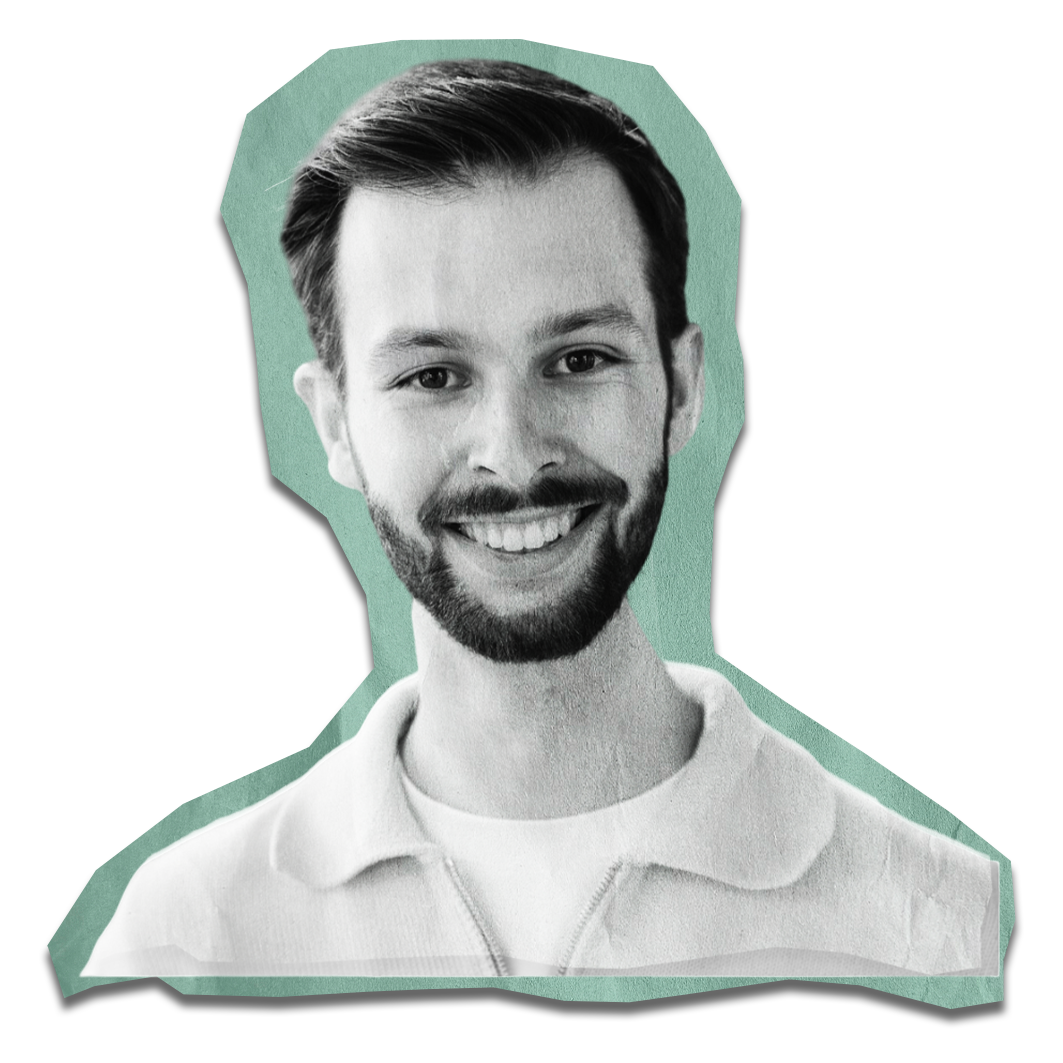
Marius Drozdzewski
is editor-in-chief and one of the co-founders of ævum. He also works as Head of Strategy & Communication at Prometheus, a liberal think tank in Berlin. He studied philosophy and mathematics and is preparing his doctoral project on the critique of liberalism by contemporary anti-liberals.
-
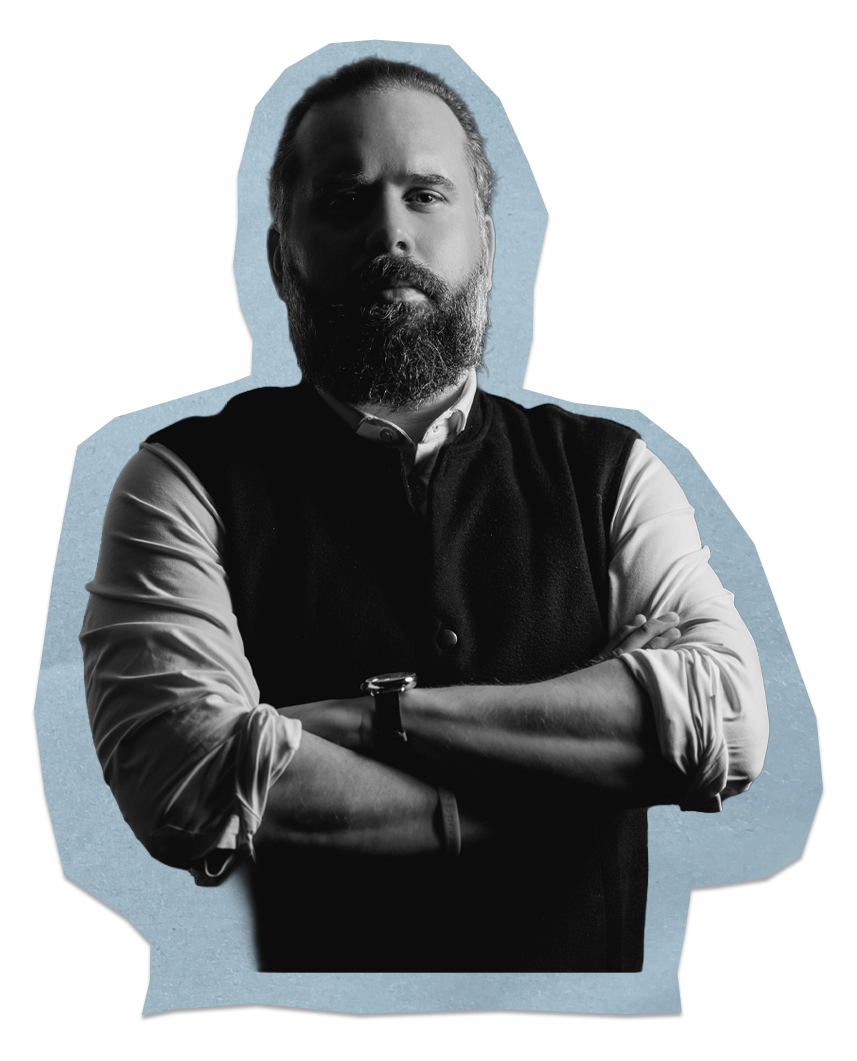
Sven Gerst
is one of the co-founders of ævum. He has an interdisciplinary background in philosophy, political economy, and economics, and studied at King’s College London, the London School of Economics, and the University of Mannheim. Sven writes a weekly newsletter and is one of the hosts of Open Axis.
-
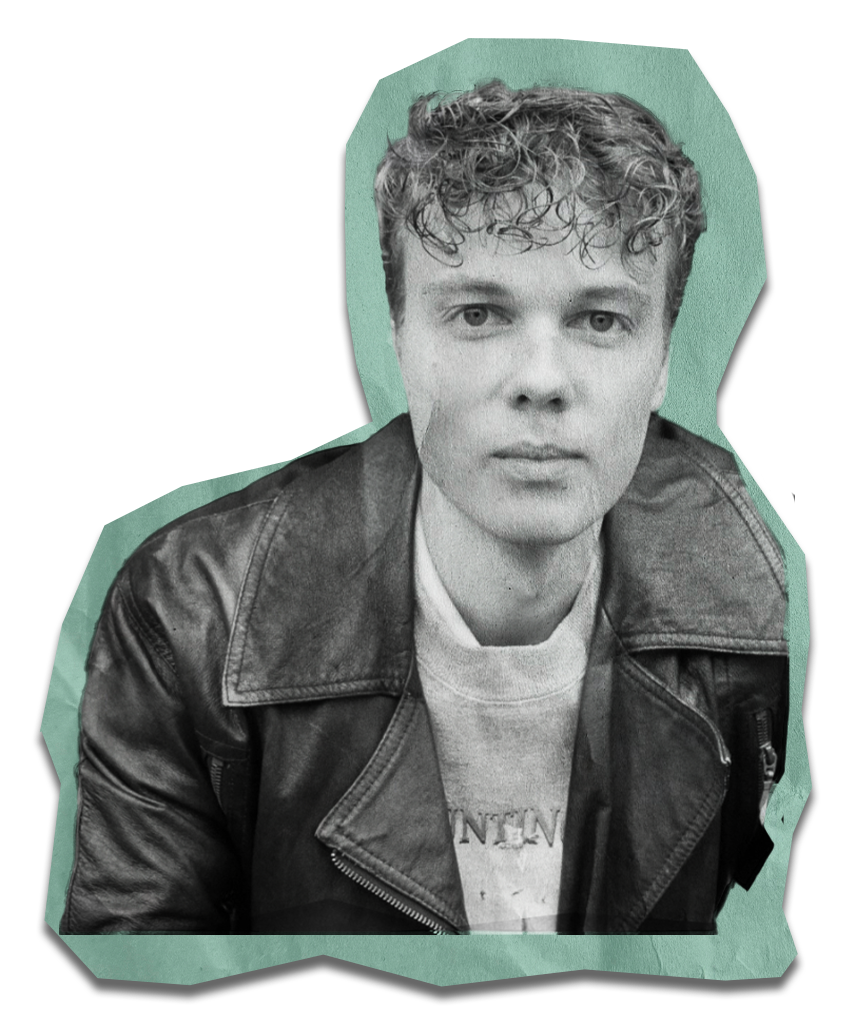
Nikolai Ott
is one of the co-founders of ævum and a research associate at the Center for International Studies and at the Chair of International Law, European Law, and Public Law at TU Dresden.
-
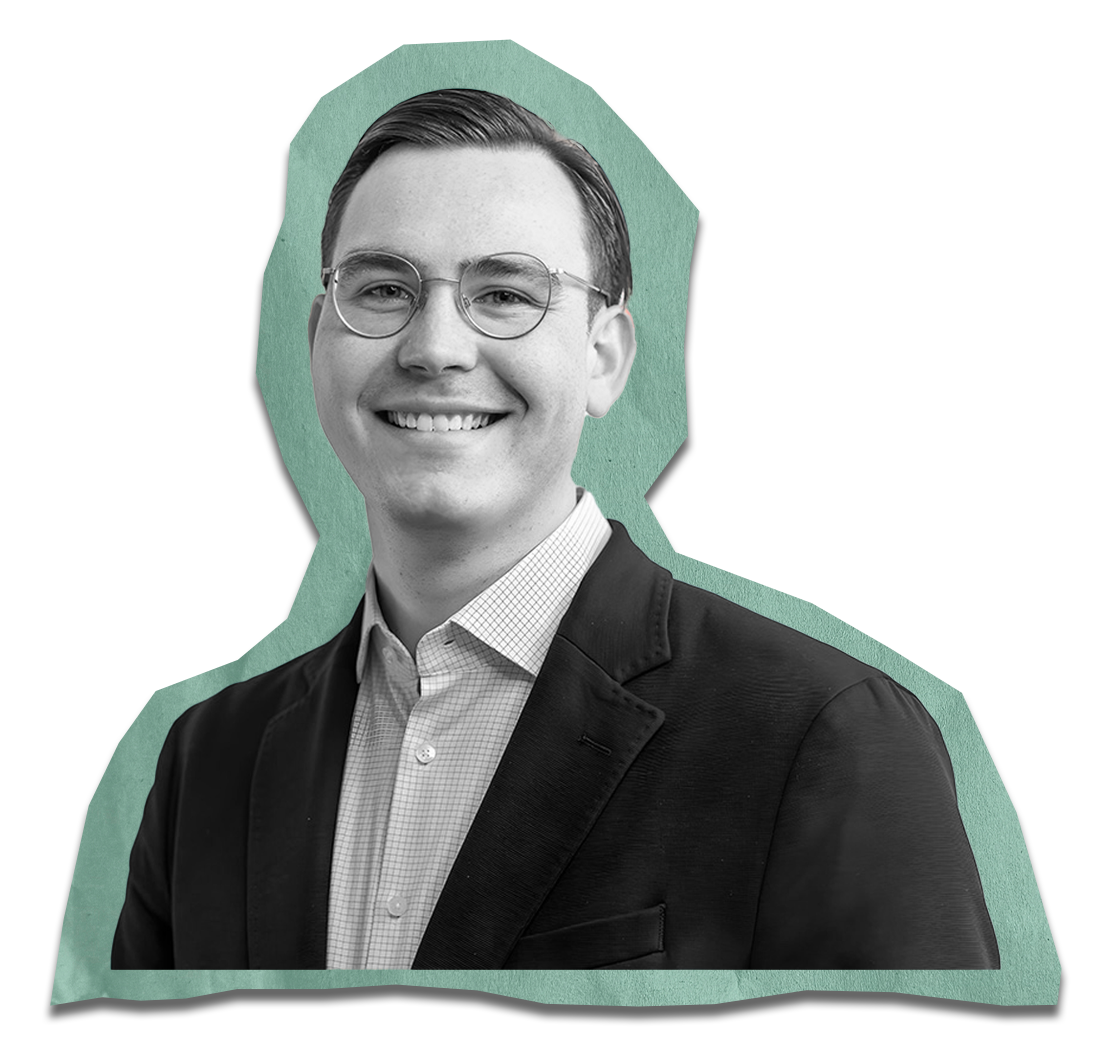
Alexander Schwitteck
is one of the co-founders of ævum and works as Fellow and Researcher at the think tank Zentrum Liberale Moderne in Berlin. He is also pursuing a doctorate at the Faculty of Philosophy at the University of Bonn, at the chair of Practical Philosophy and Philosophy of Antiquity. His research focuses on the history and theory of liberalism and republicanism, and on Kant's legal and political philosophy.
Contributors
-
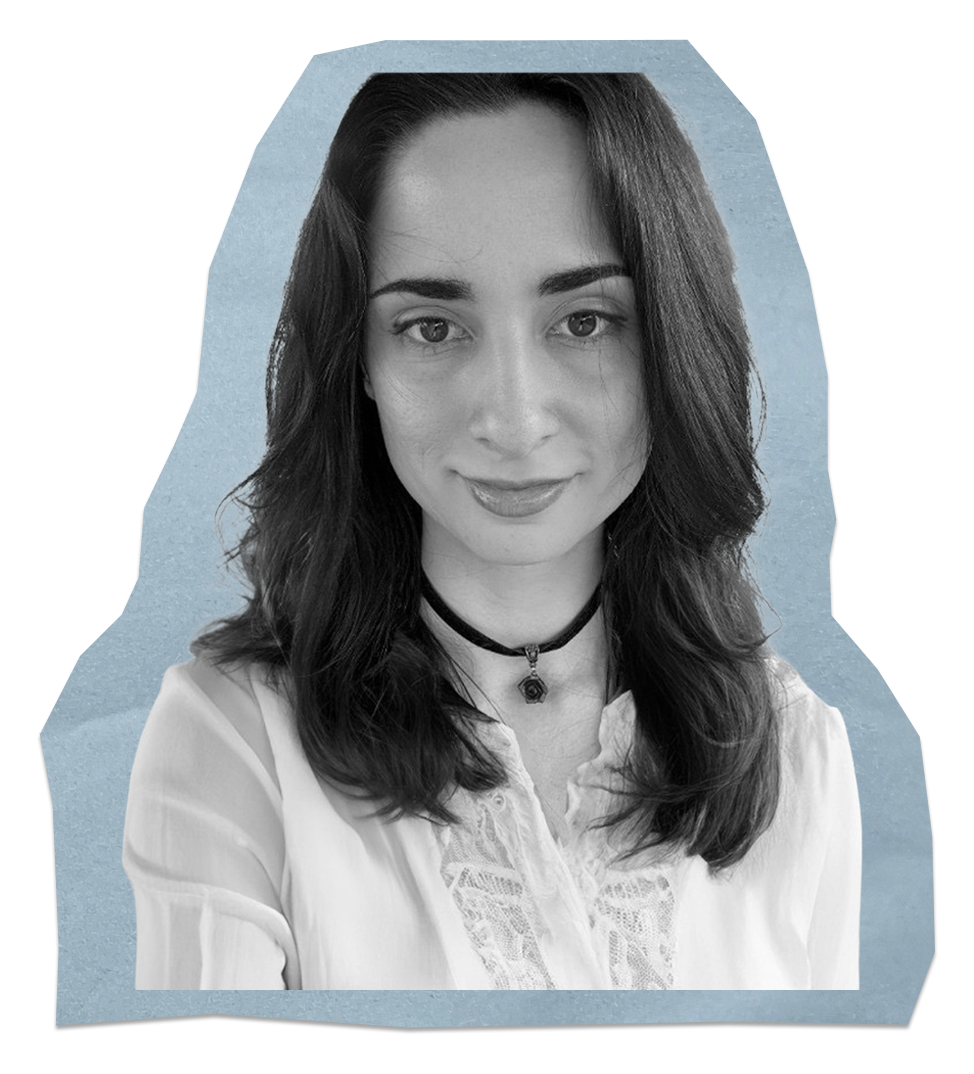
Nur Baysal
was Local Coordinator and board member at European Students for Liberty from 2013 to 2016. She studied philosophy in Belgium and at St Andrews, lived in the United States, and is now an entrepreneur. She is building the language app Copycat Cafe (copycatcafe.com) and lives in Cyprus.
-
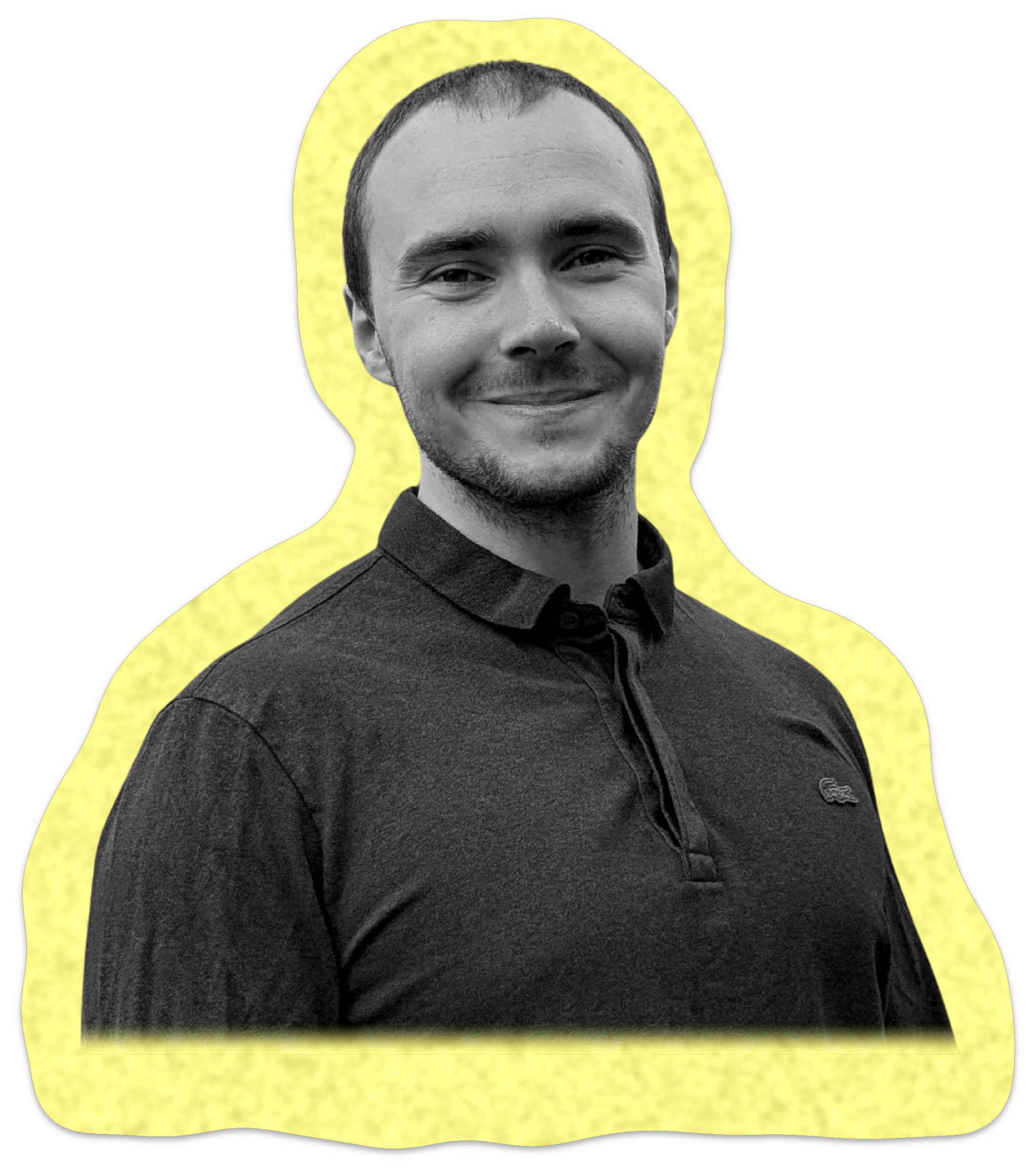
Nick Blazejak
works in public-sector consulting. He studied economics and the humanities in Witten, Vienna, Rome and Tokyo.
-
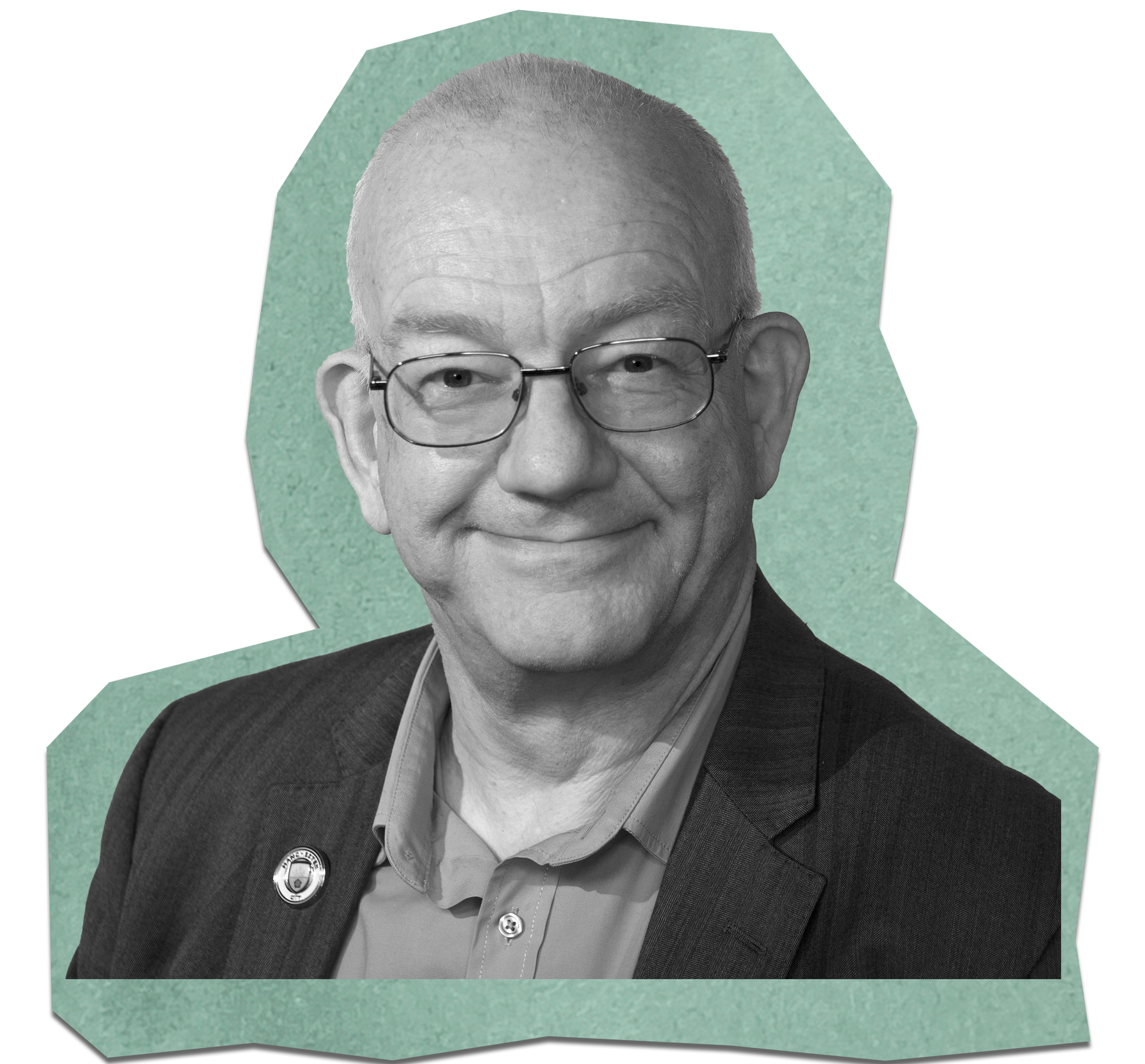
Steve Davies
Stephen Davies has been engaged in the liberty movement since his earliest student days. A historian by training, he has written on economic history as well as on cultural and intellectual history. His new book The Great Realignment and Why the New Right-Wing Politics is Here to Stay is published by Polity Press on 29 January 2026. It is part of his effort to understand the global rise of a particular kind of anti-liberal politics and to develop responses to it.
-
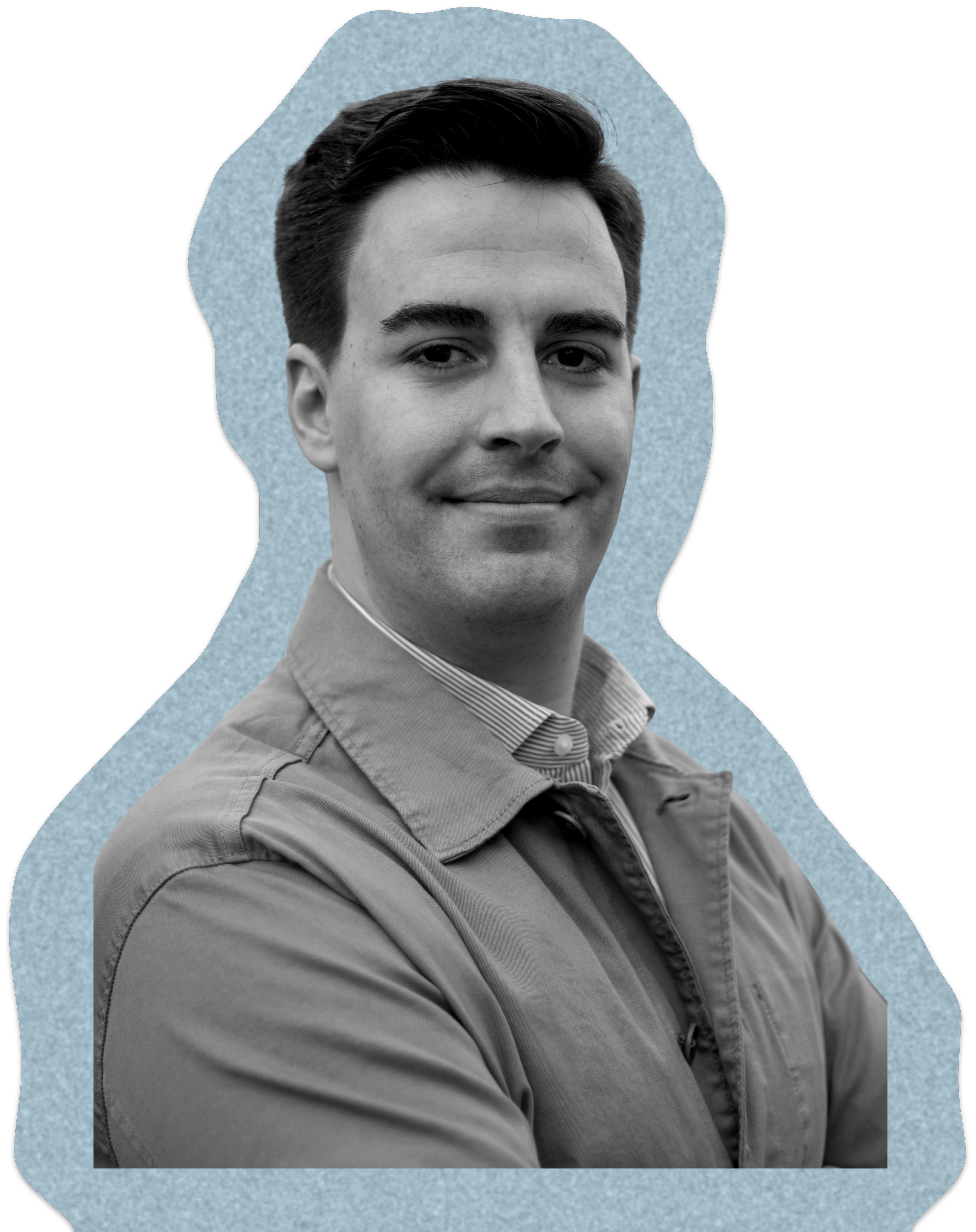
Ruben Fabers
is a jurist, currently working as a research associate and doctoral candidate at the University of Bonn.
-
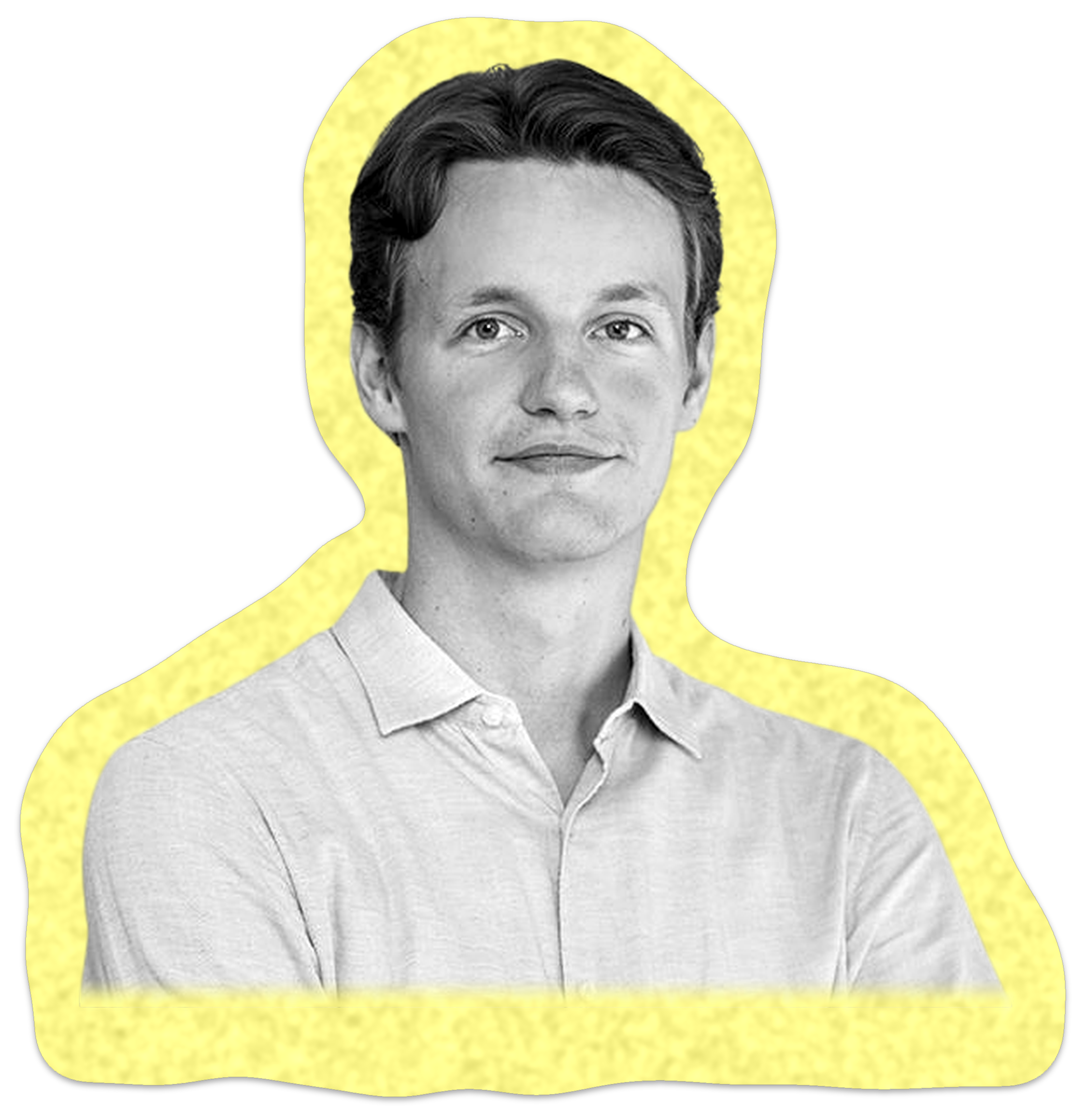
Oliver Gansfort
is pursuing a doctorate at the University of Cologne on growth, competition and innovation. He studied politics, philosophy and economics in Witten, Milan and Cologne.
-
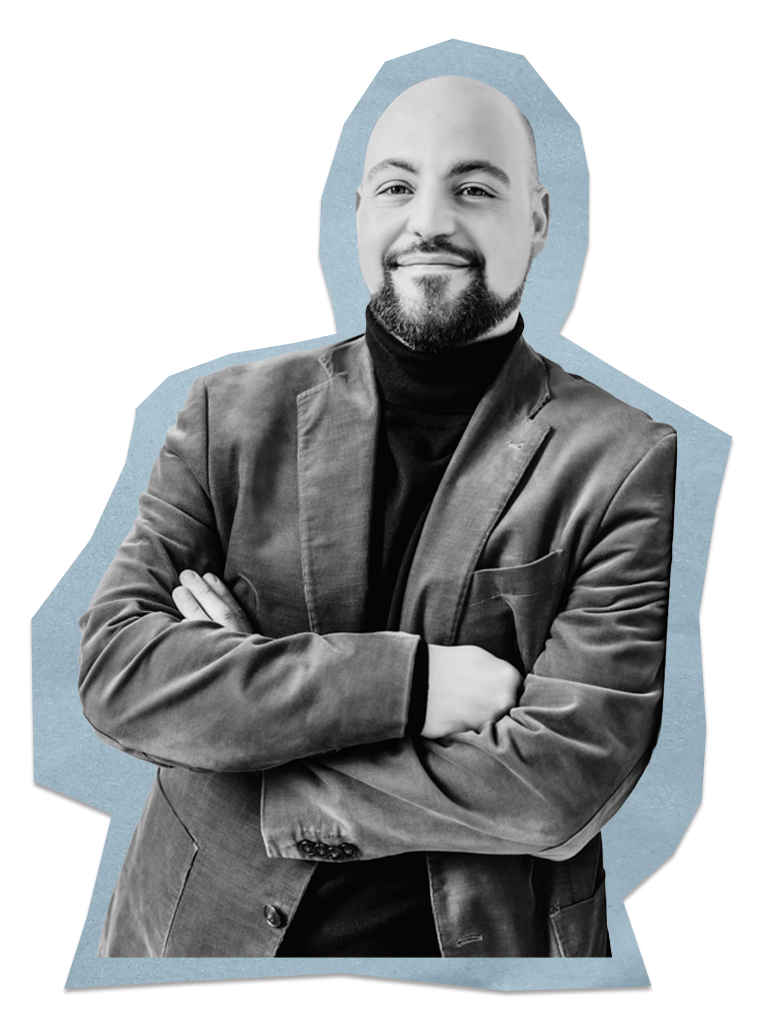
Salvatore Genovese
works as a researcher for the Ludwig-Erhard-Stiftung. He is a member of the FDP and active in local politics in his home district.
-
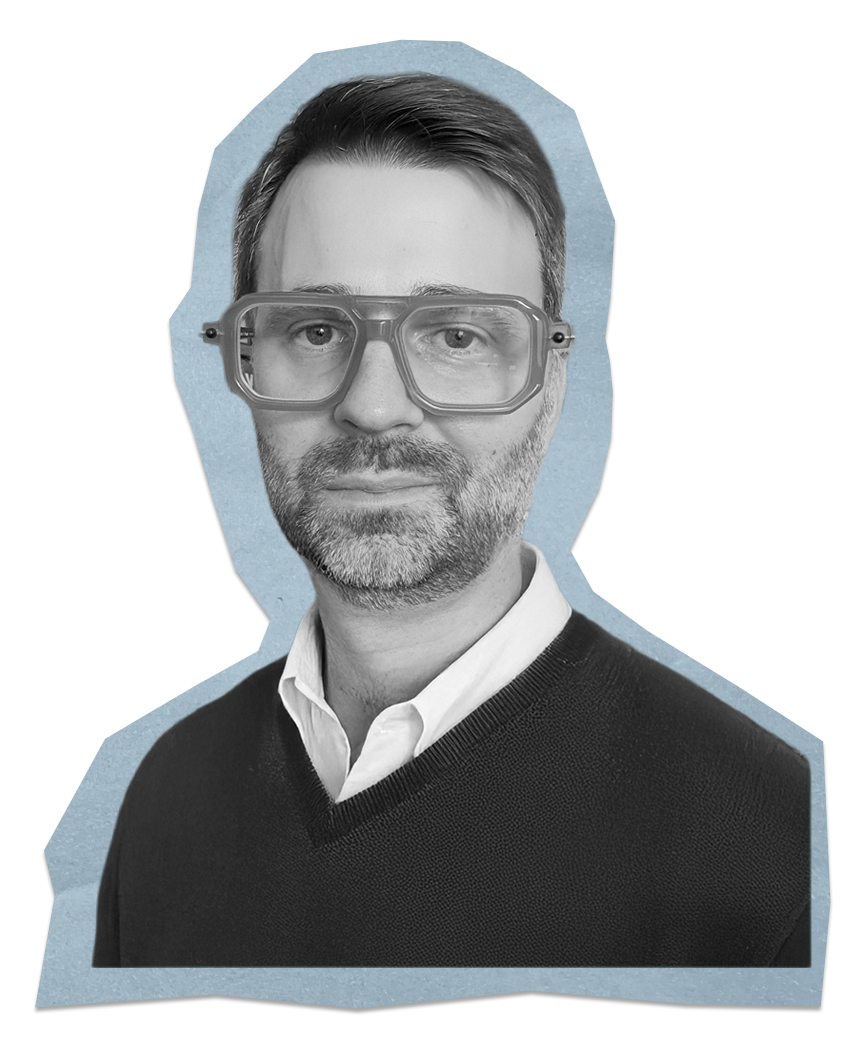
Christoph Giesa
is a liberal, publicist, and moderator. In 2015, with Gefährliche Bürger, he wrote the first book on the networks behind the AfD. On his Substack Machtfragen, he comments on current affairs from his — liberal — perspective.
-
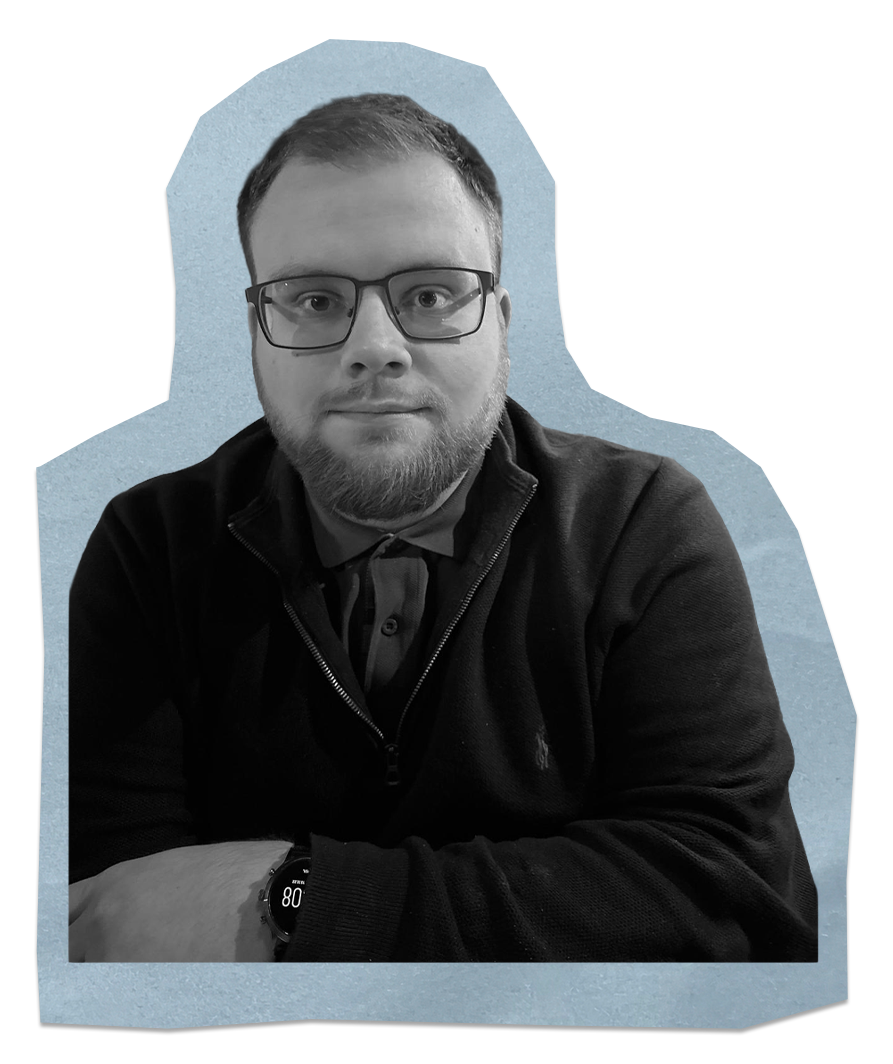
Christian Goldapp
is a computer scientist and consultant in the financial industry. As a volunteer, he is active in liberal politics, with a particular interest in digital civil rights and a liberal geopolitical order. He studied computer science and spaceflight technology in Braunschweig and Odense.
-
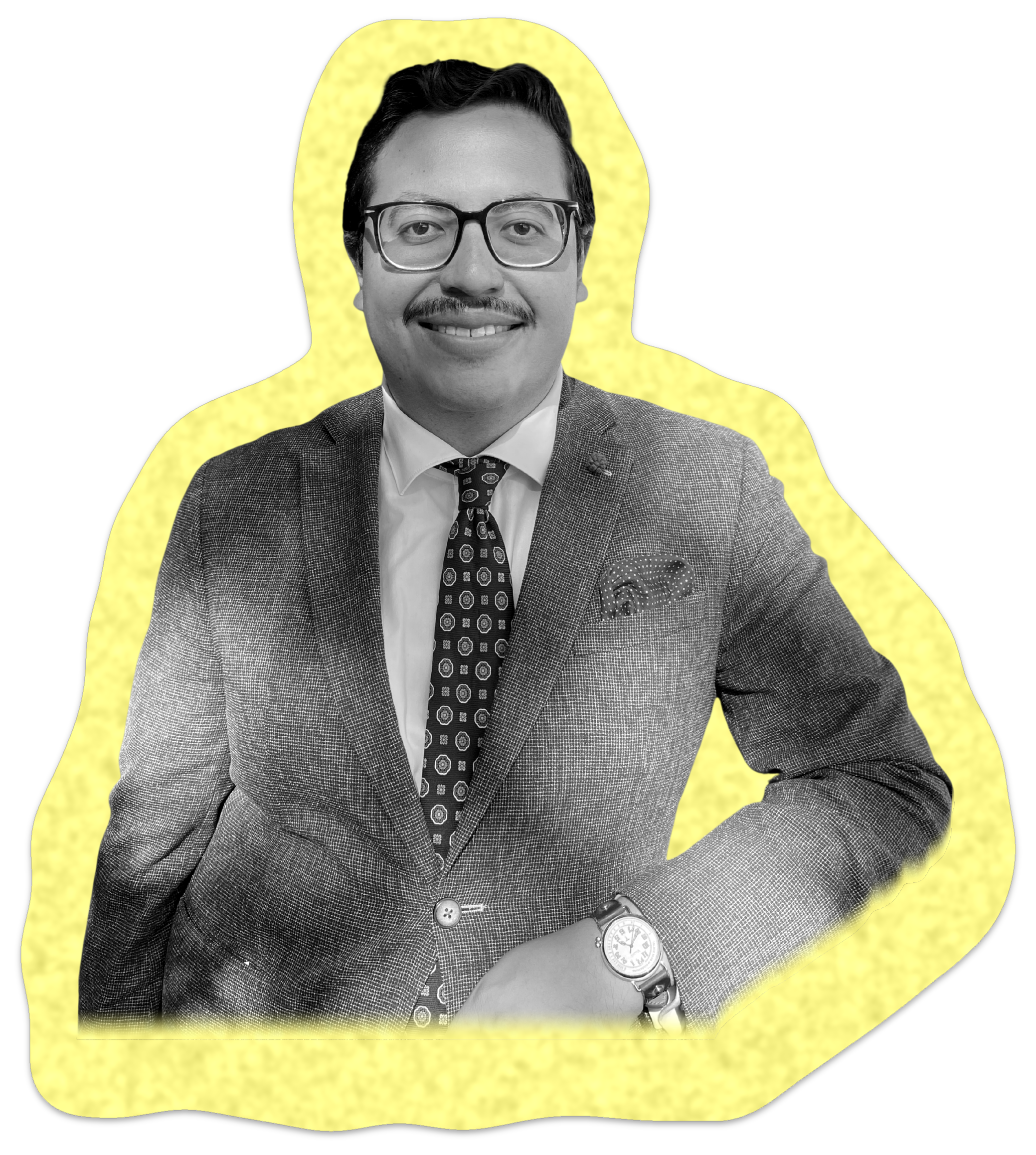
Juan de Dios Hanke-Estevez
studied political theory and works as chief of staff in the Hessian state parliament. He previously worked, among other places, at the Free Cities Foundation. His interests focus on Free Cities, special economic zones, and institutional competition, as well as questions of alternative governance and political order.
-
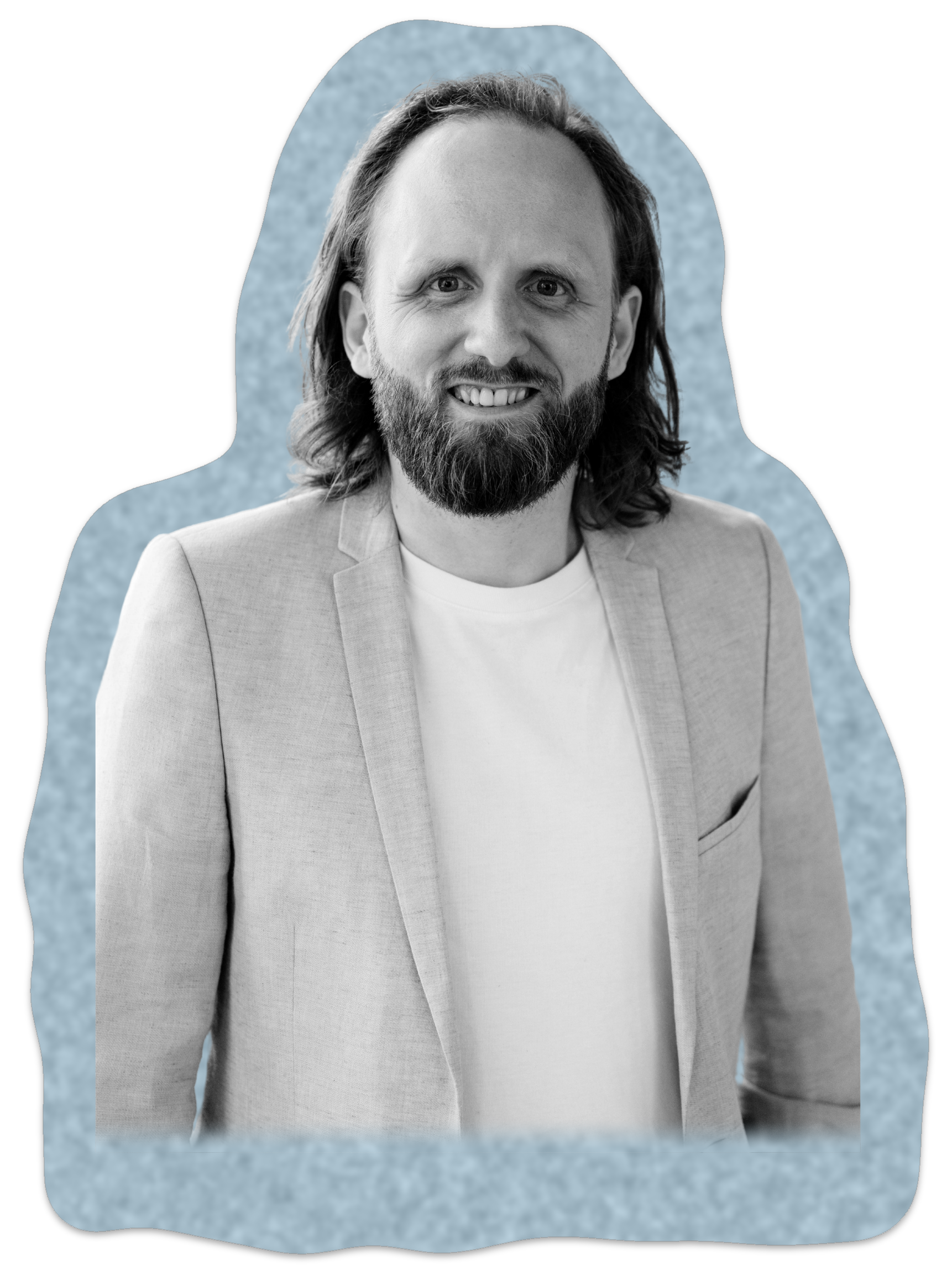
Florian Hartjen
is a director at Prometheus – Heimat der Freiheit, where he has led strategy, fundraising, and the project accelerator Hekaton Berlin since 2017. He studied Public Policy in Erfurt (BA), Law in Aberdeen (LLM), and Political Economy at King’s College London (MA). He received his doctorate at King’s College London on the ordering of people smuggling in the Mediterranean.
-
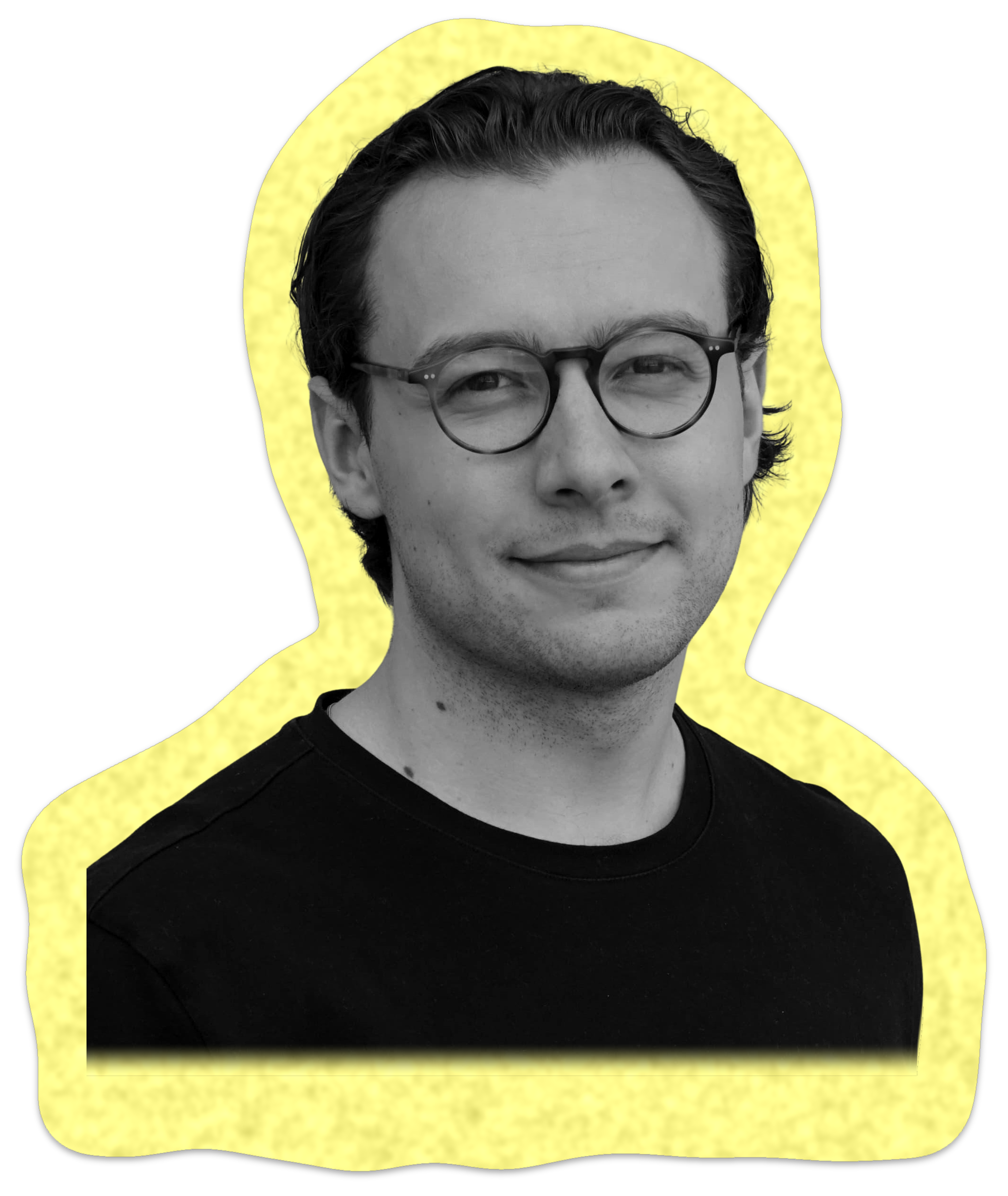
Joris Kanowski
studied philosophy and political science at the Freie Universität Berlin and the University of California San Diego. He is an expert in digital policy. Privately, he is interested in the history of political ideas and the future.
-
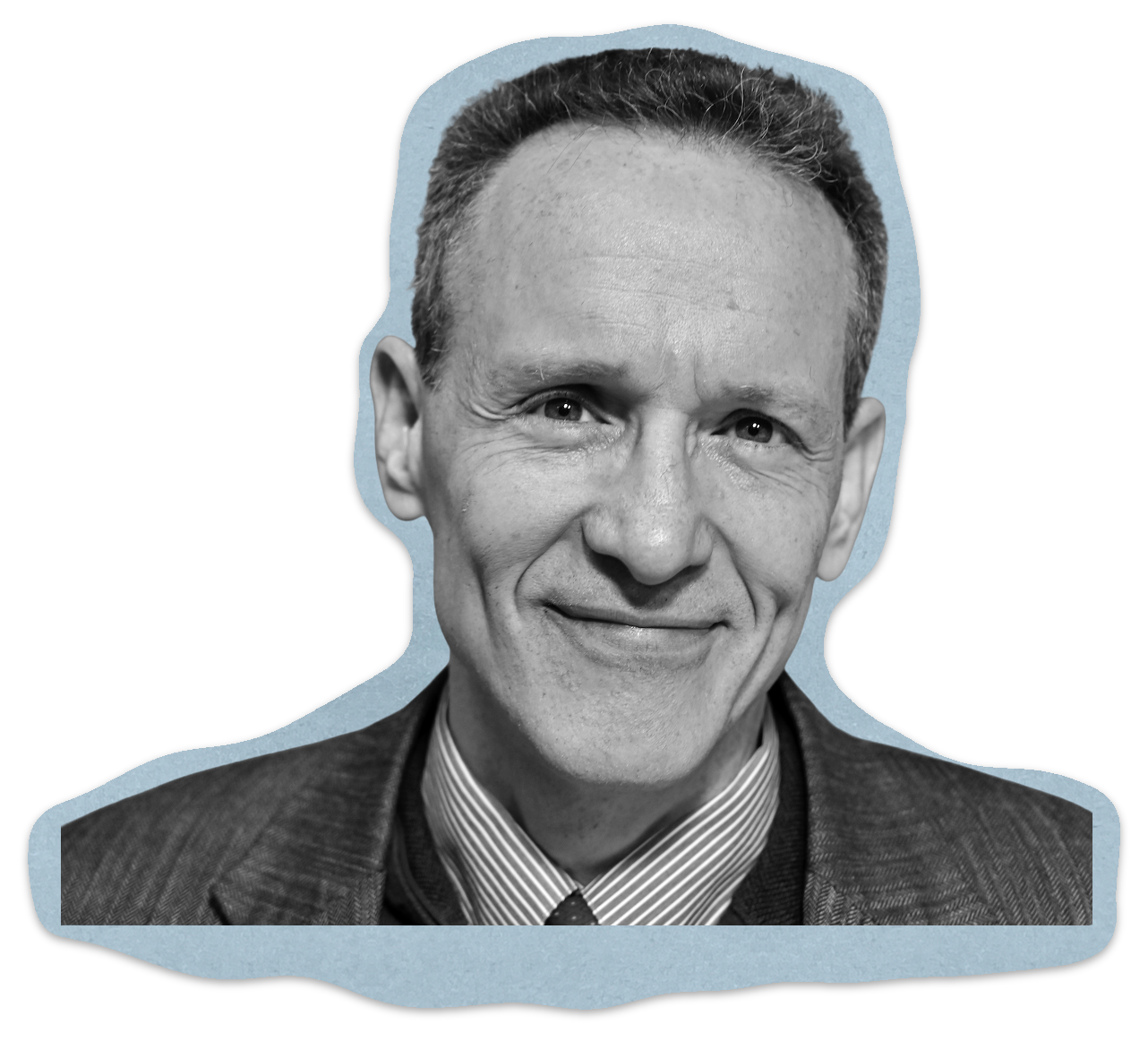
Daniel Klein
is Professor of Economics and JIN Chair at the Mercatus Center, George Mason University, where he runs a program on Adam Smith. He is the author of The Spirit of Smithian Laws, Central Notions of Smithian Liberalism, Smithian Morals, and Smithian Essays. Klein is a member of NOUS, the Network for Constitutional Economics and Social Philosophy.
-
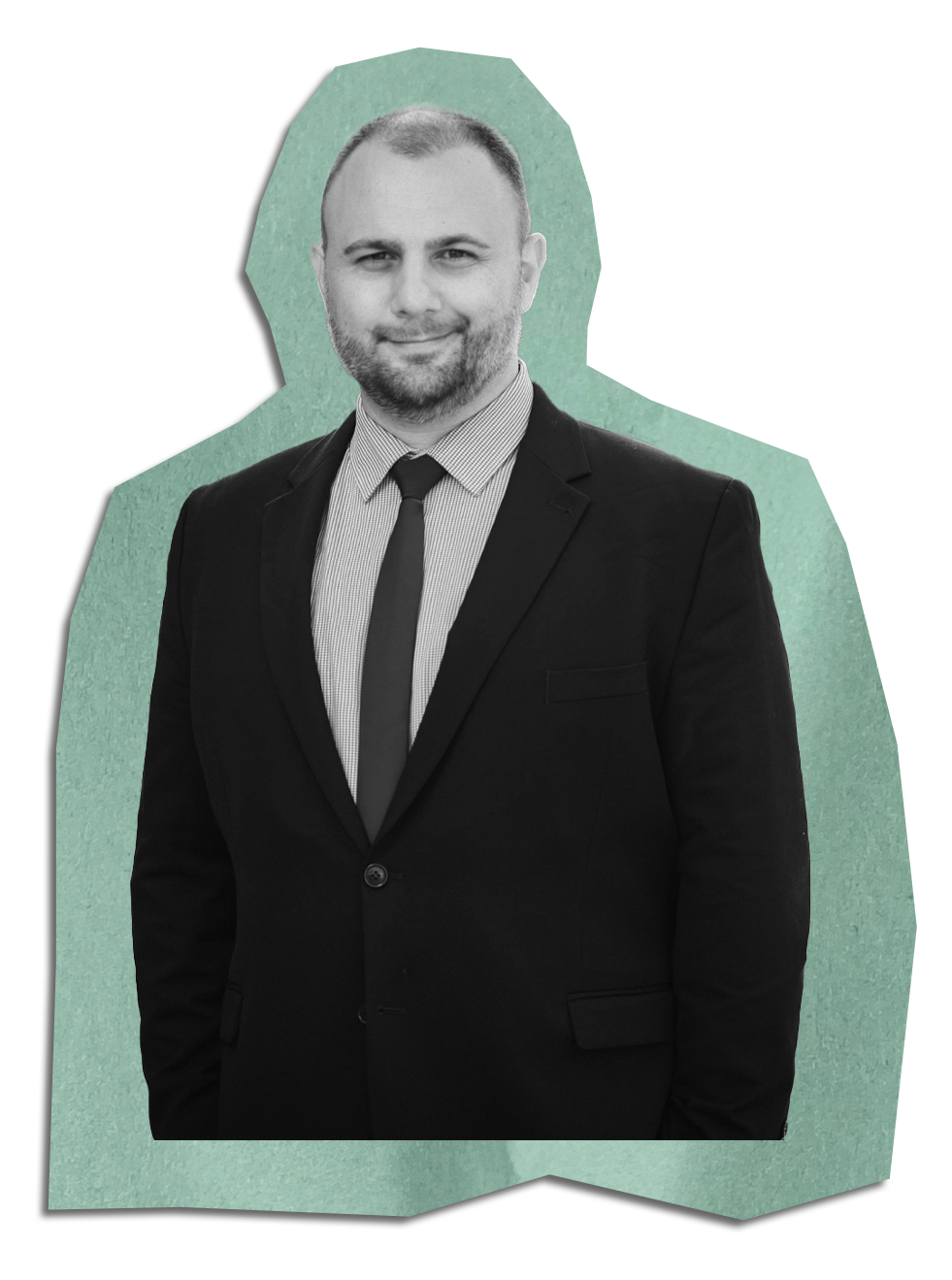
Stefan Kolev
directs the Ludwig-Erhard-Forum für Wirtschaft und Gesellschaft in Berlin and is Professor of Economic Policy at Zwickau University of Applied Sciences. He researches the history of liberal economic thought and has long engaged with the Mont Pèlerin Society, which he joined as a member in 2013. In 2022, he chaired the program committee for the 75th anniversary of the Mont Pèlerin Society in Oslo.
-
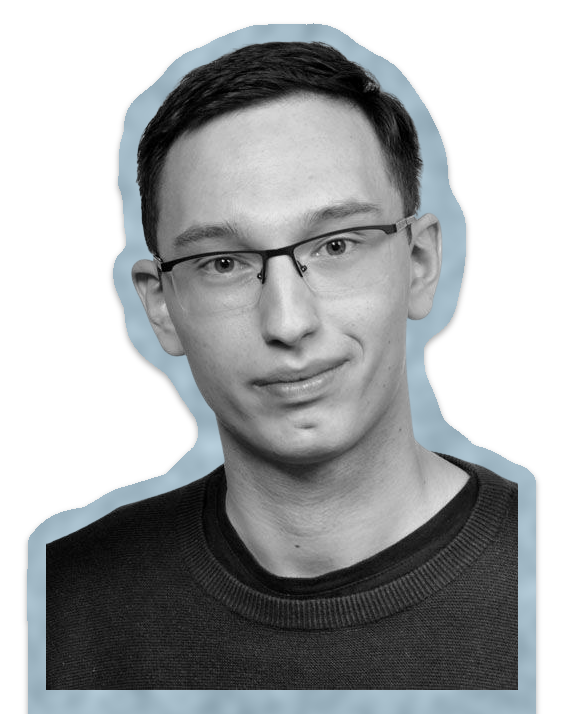
Karl Kühne
is a research associate at the Institute of Sociology at RWTH Aachen. He studied political science with a focus on political theory and the history of ideas, also at RWTH. His master’s thesis, supervised by Prof. Dr. Hans-Jörg Sigwart, examined procedural methods of justification in the political thought of John Rawls and Jürgen Habermas.
-
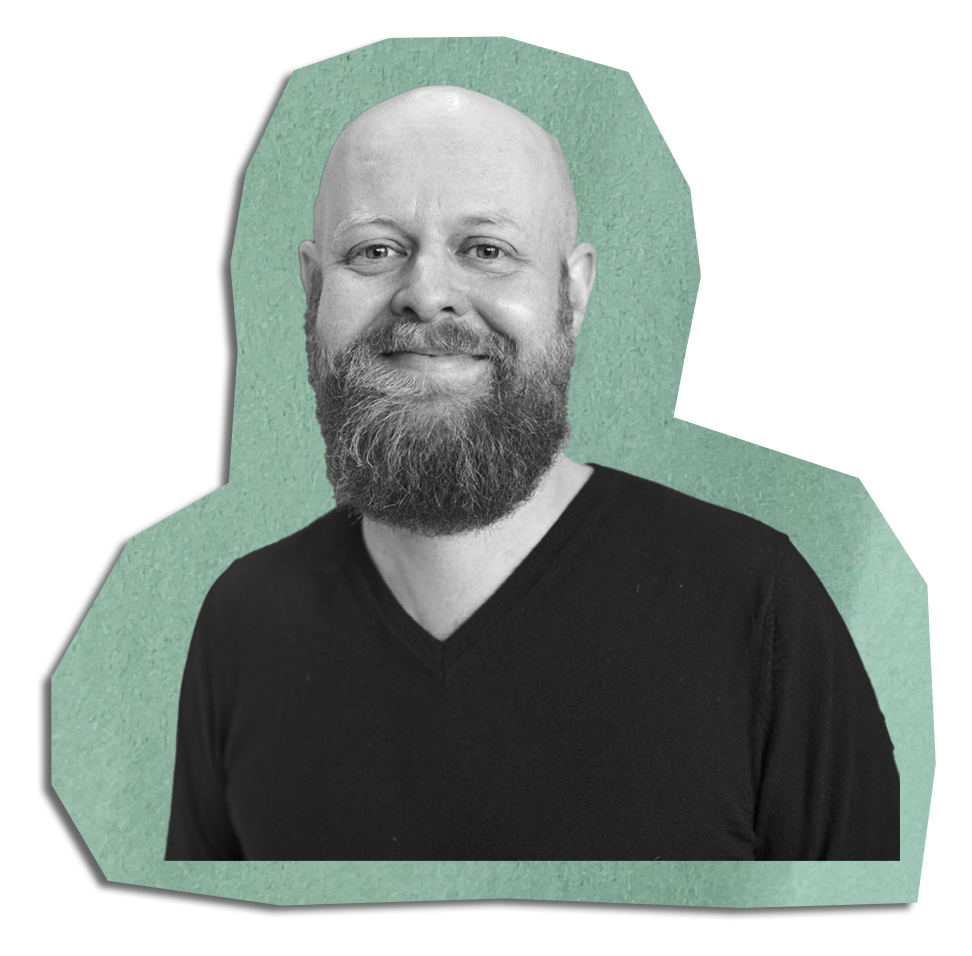
Alexandre Lefebvre
is Professor of Politics and Philosophy at the University of Sydney. He is the author of „Liberalism as a Way of Life” (Princeton University Press, 2024).
-
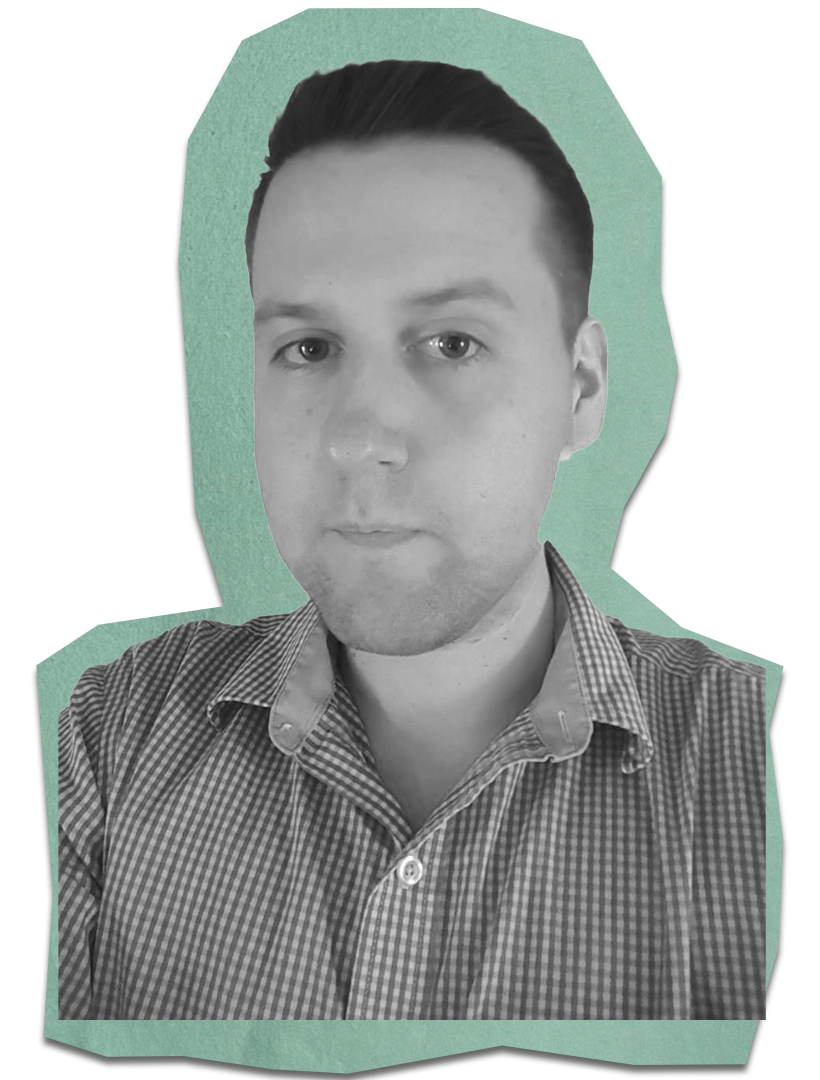
Otto Lehto
is a postdoctoral fellow at the Classical Liberal Institute at New York University. He has written widely on liberalism, political philosophy, social evolution, complexity theory, innovation, universal basic income, and AI. His work has appeared, among others, in the Journal of Moral Philosophy, the European Economic Review, and Public Choice. He received his doctorate in 2022 from King’s College London.
-
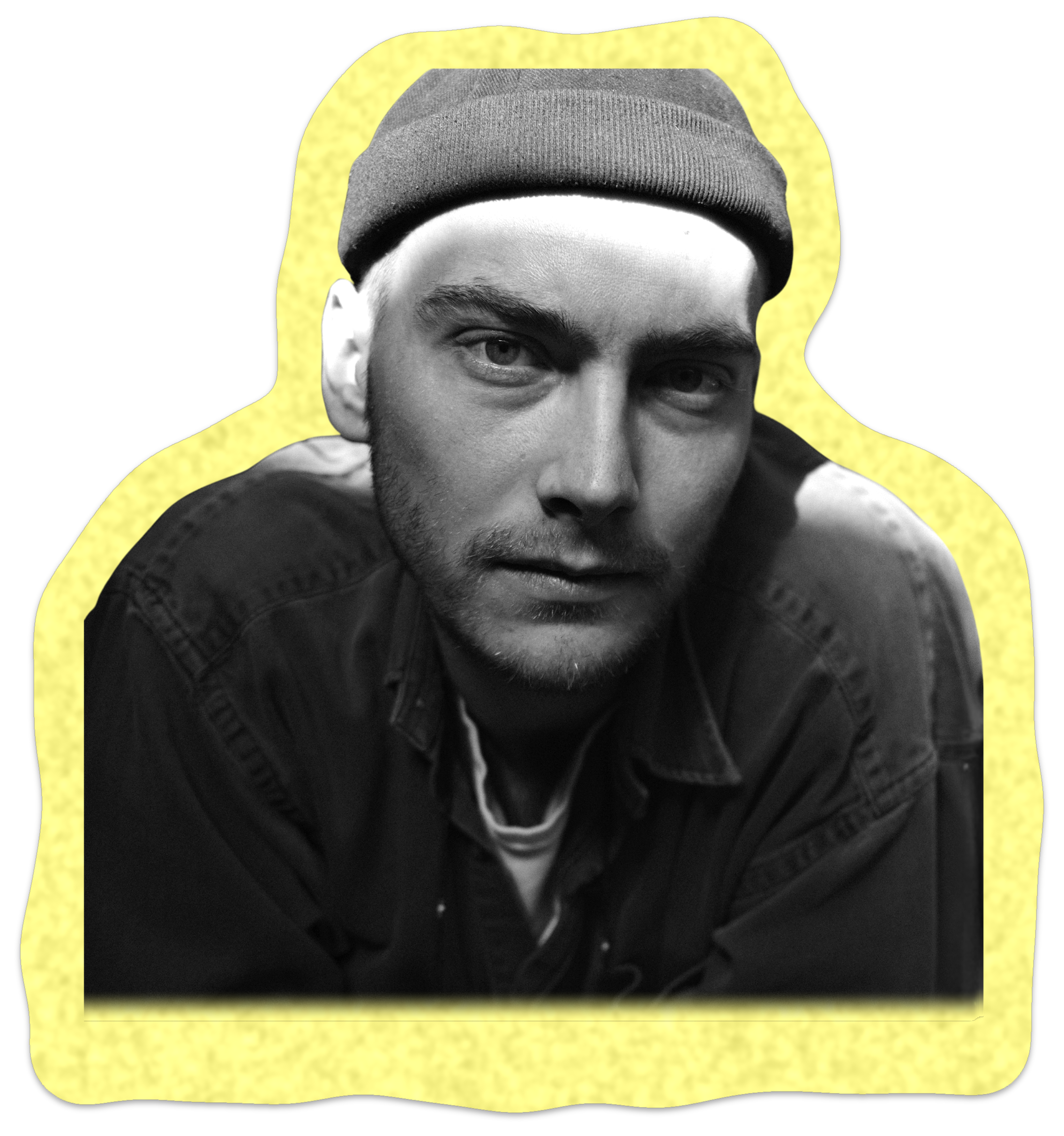
Severin Loske
lives in Berlin and is writing his doctorate at the University of Erfurt on the conditions of political action in times of ecological crises. Both privately and in his research, he is interested in the question of how we want to live together in the future. Before that, he studied Staatswissenschaften in Passau and Granada as well as politics and technology in Munich and Mexico City.
-
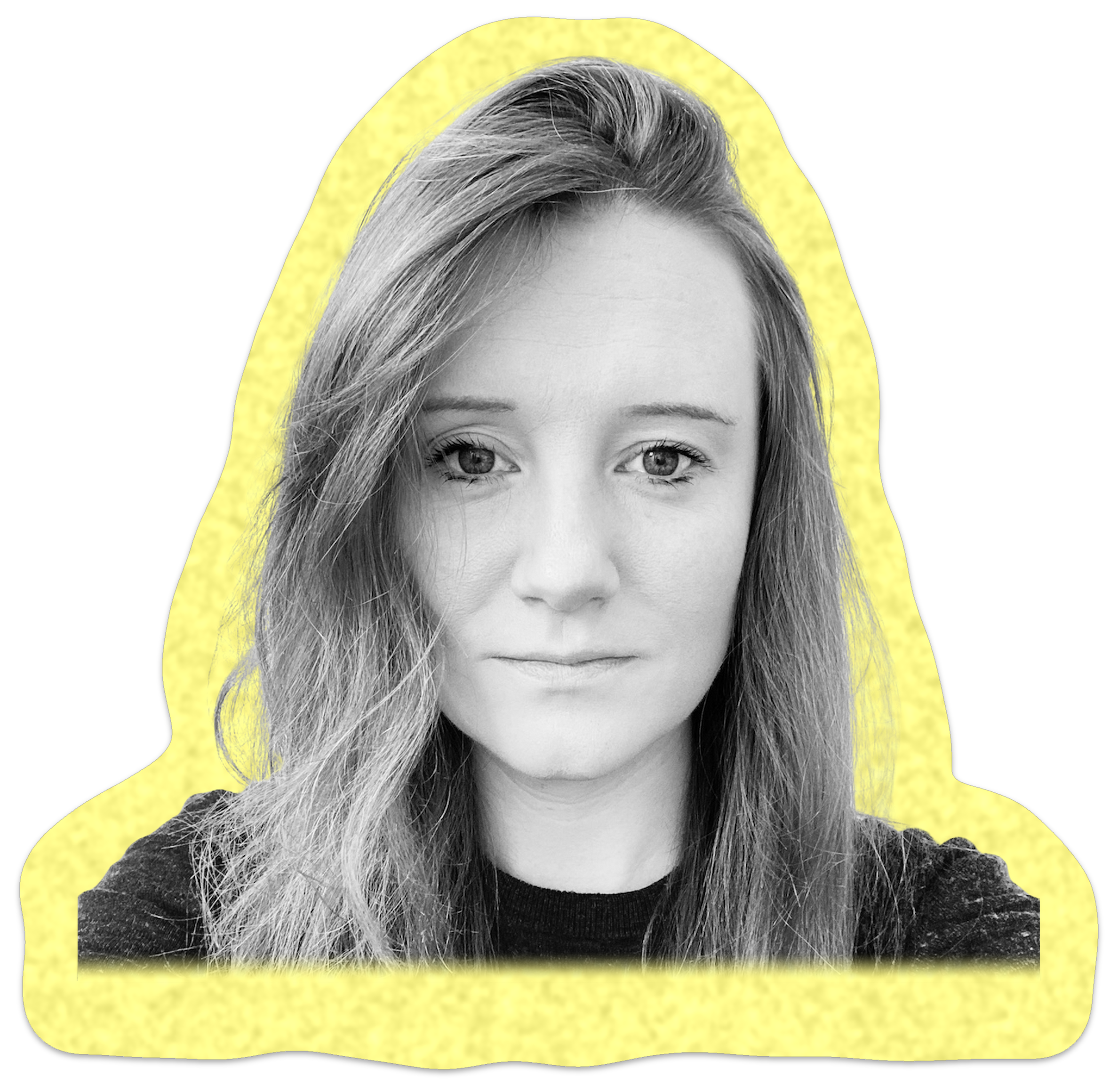
Rebecca Lowe
is Philosophy Senior Research Fellow and Director of Emerging Scholars at the Mercatus Center at George Mason University. She is currently writing two books: Freedom in Utopia, on how free we would be in the best possible society, and Speaking Freely, on what it means to speak freely. Her philosophical essays appear on her Substack, the ends don't justify the means. She was previously the director of the UK think tank FREER and research director at an investment company; until recently, she was Consulting Space Philosopher at a strategic space advisory firm and a Senior Reader at the Canterbury Institute in Oxford. She wrote her PhD, on moral property rights, at King's College London.
-
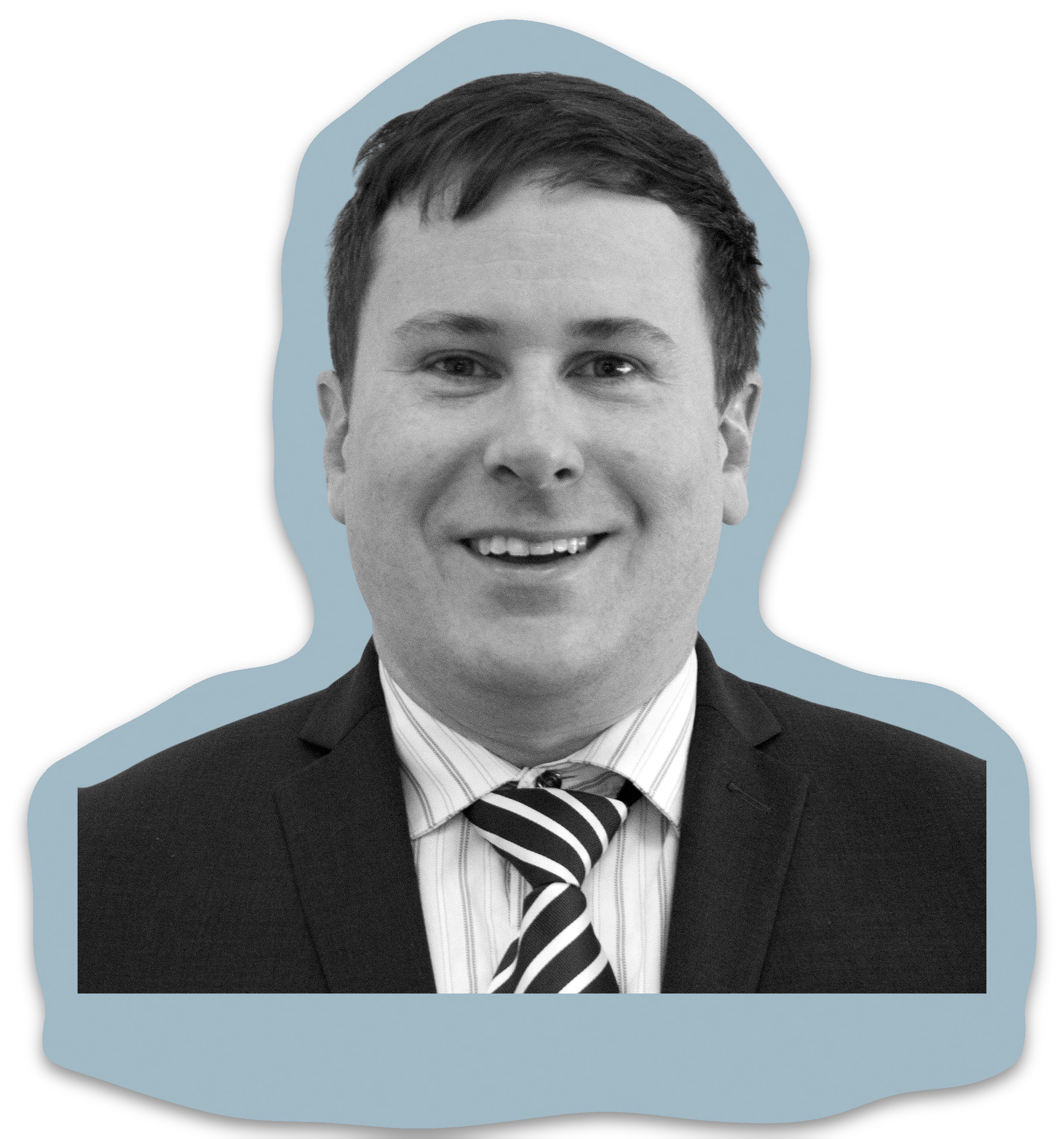
Phil Magness
holds the David J. Theroux Chair in Political Economy at the Independent Institute in Oakland. Previously he held the F. A. Hayek Chair in Economics and Economic History at the American Institute for Economic Research. As an economic historian of the United States and the wider Atlantic world, he has written on the political economy of slavery, the history of taxation and inequality, and the intellectual history of classical liberalism. He is the author, among others, of The 1619 Project: A Critique and, with Jason Brennan, Cracks in the Ivory Tower: The Moral Mess of Higher Education.
-
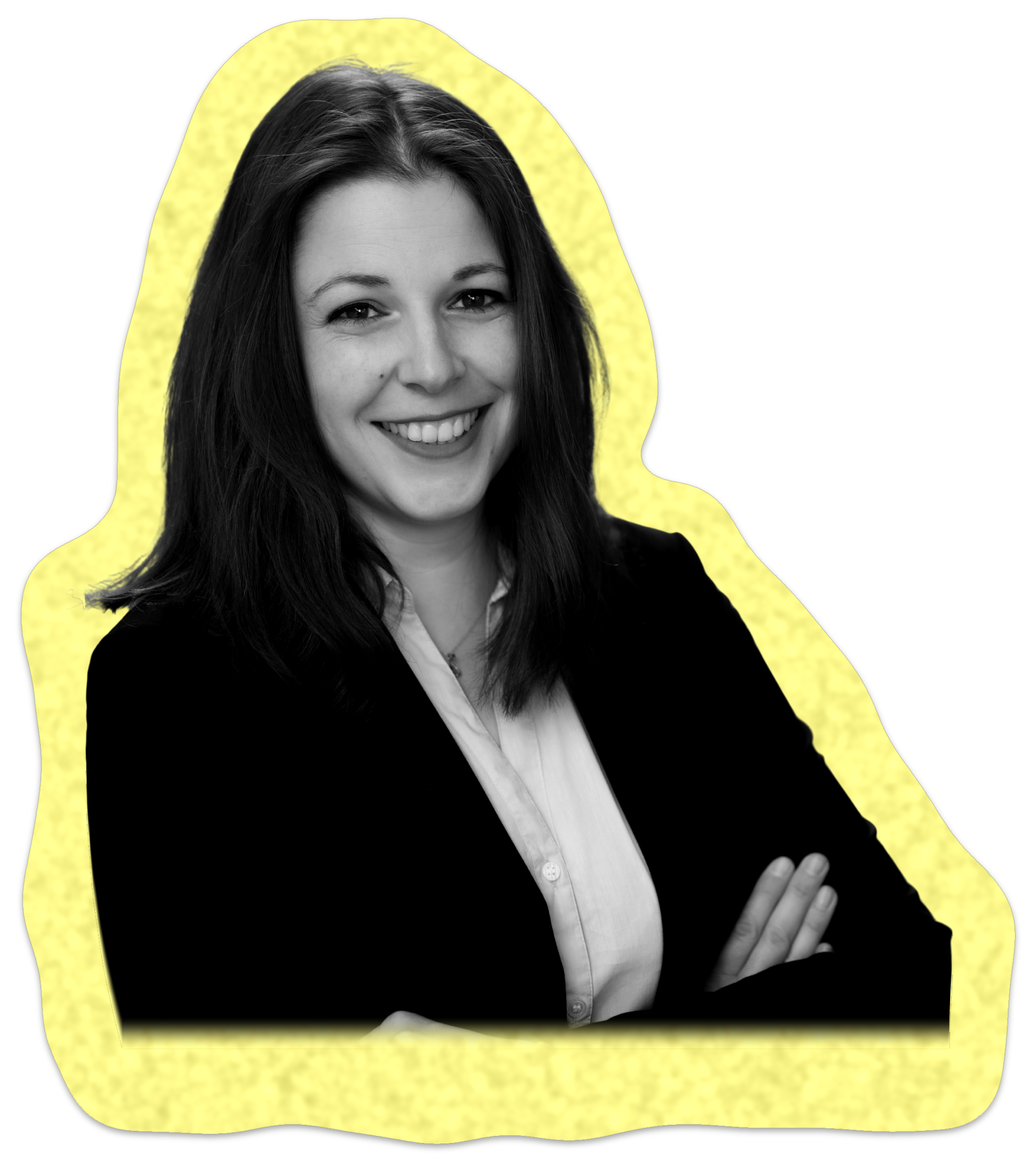
Verena Matejka
was most recently campaign manager for the Free Democrats in Munich. She volunteers in her local FDP and in the Junge DGAP. Her particular interest lies in processes of social transformation and in the question of how psychological dynamics shape economic and political action. Among other things, she studied German literature and political science, holds a bachelor’s in psychology, and is currently completing a master’s in business psychology.
-
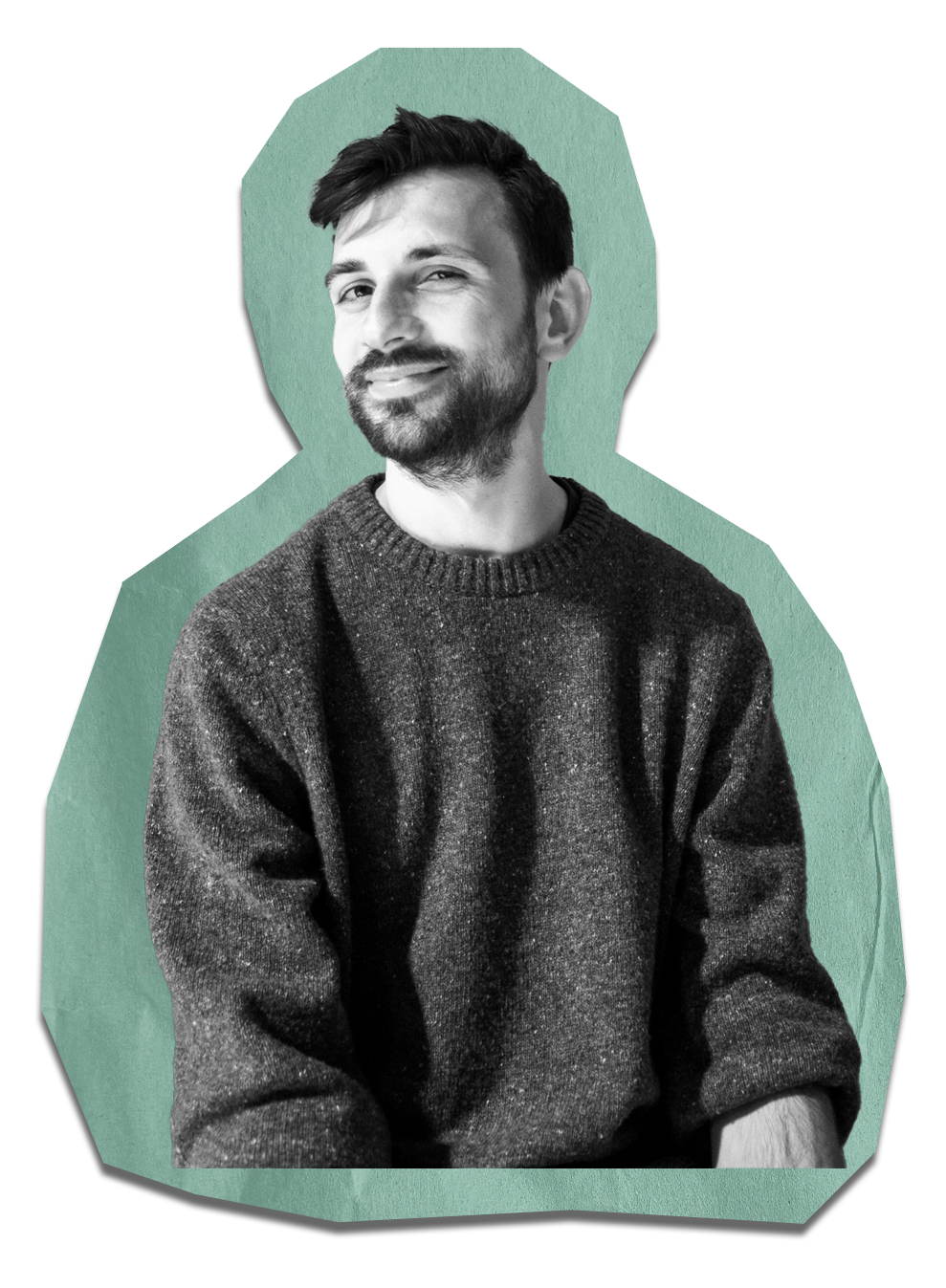
Max Molden
studied Philosophy and Economics in Bayreuth and holds a master’s in Political Economy from King’s College London. He is currently pursuing his doctorate on interventionism at the University of Hamburg.
-
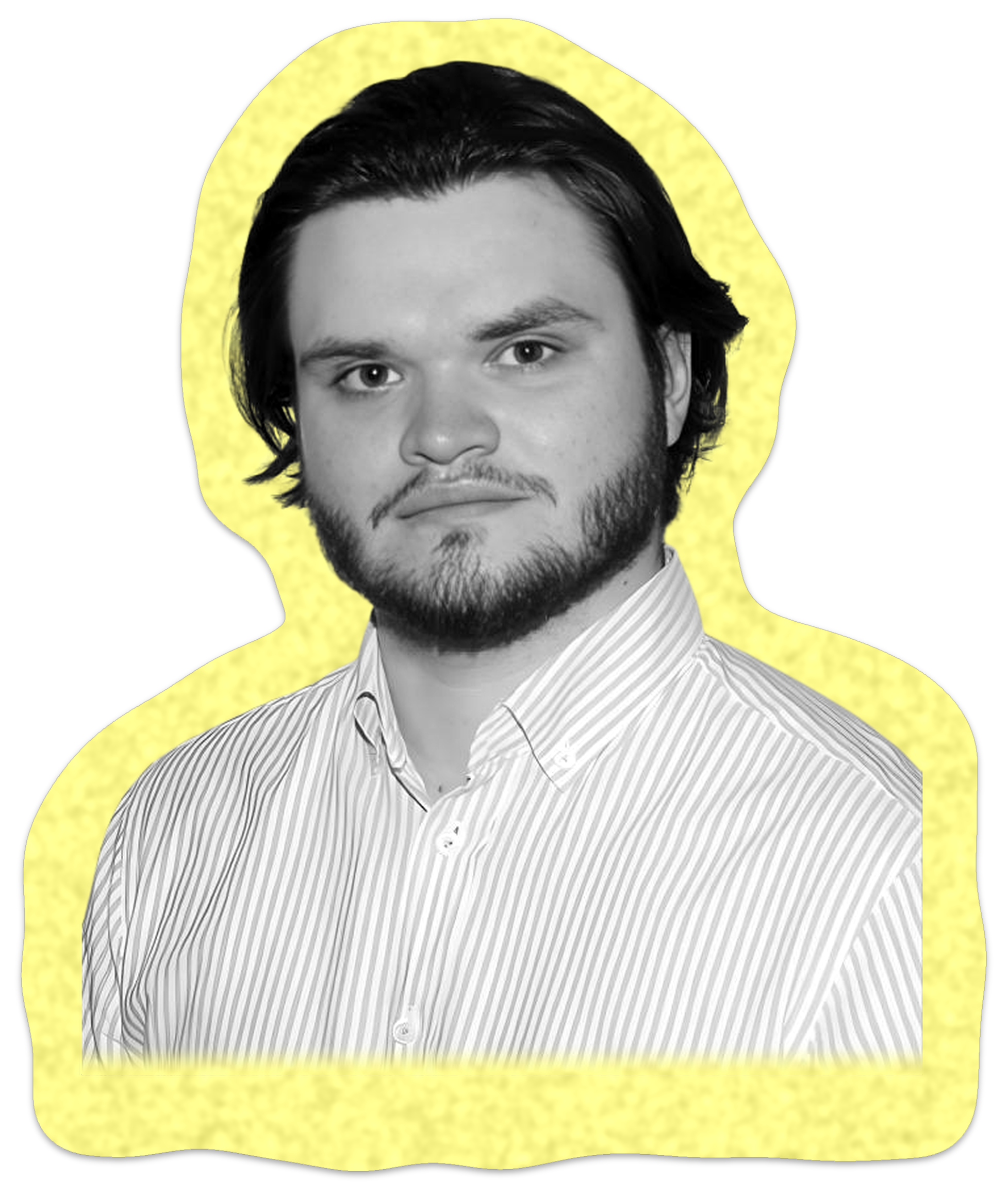
Thomas Ruhnau
is completing his first state examination in law in Göttingen. In his spare time, he studies philosophy, among other things, and is active in local politics for the FDP.
-
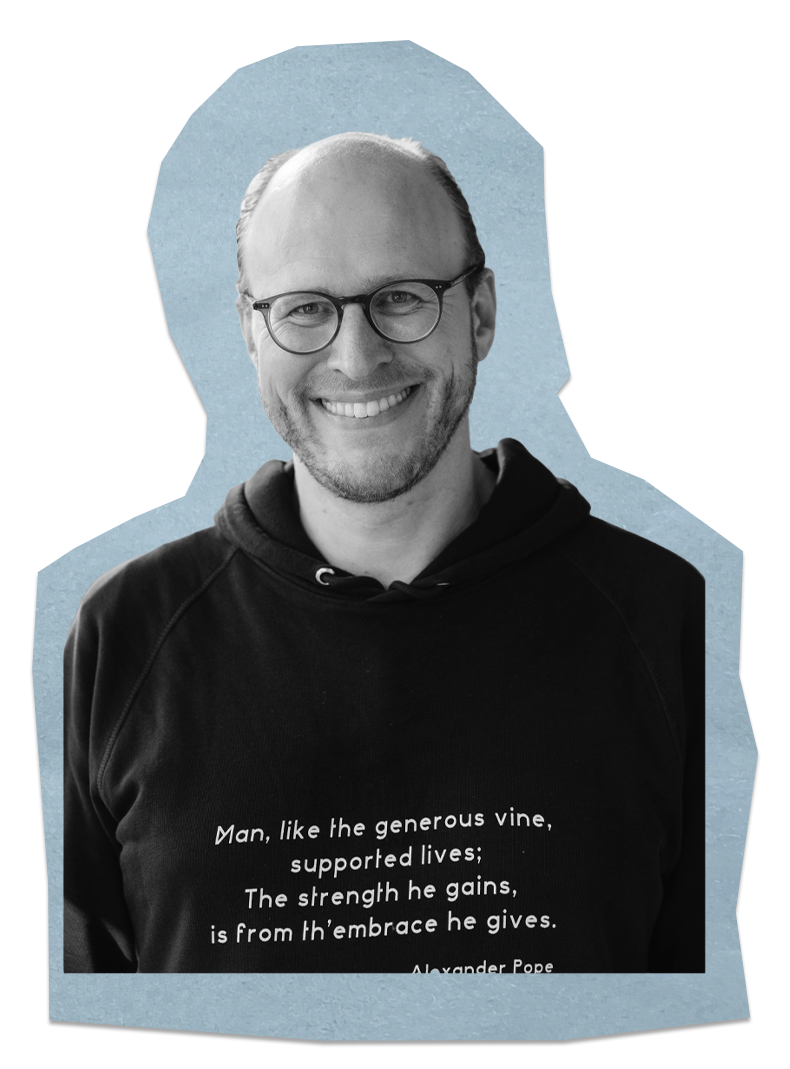
Clemens Schneider
is director of Prometheus, Heimat der Freiheit, in Berlin. He also publishes from time to time in FAZ, Welt, taz, and other media. His particular passion is the care of the Bibliothek des Liberalismus. A trained Catholic theologian and former monk, he volunteers as head of the Agora Sommerakademie and on the boards of the Initiative Queer Nations and the English Choir Berlin.
-
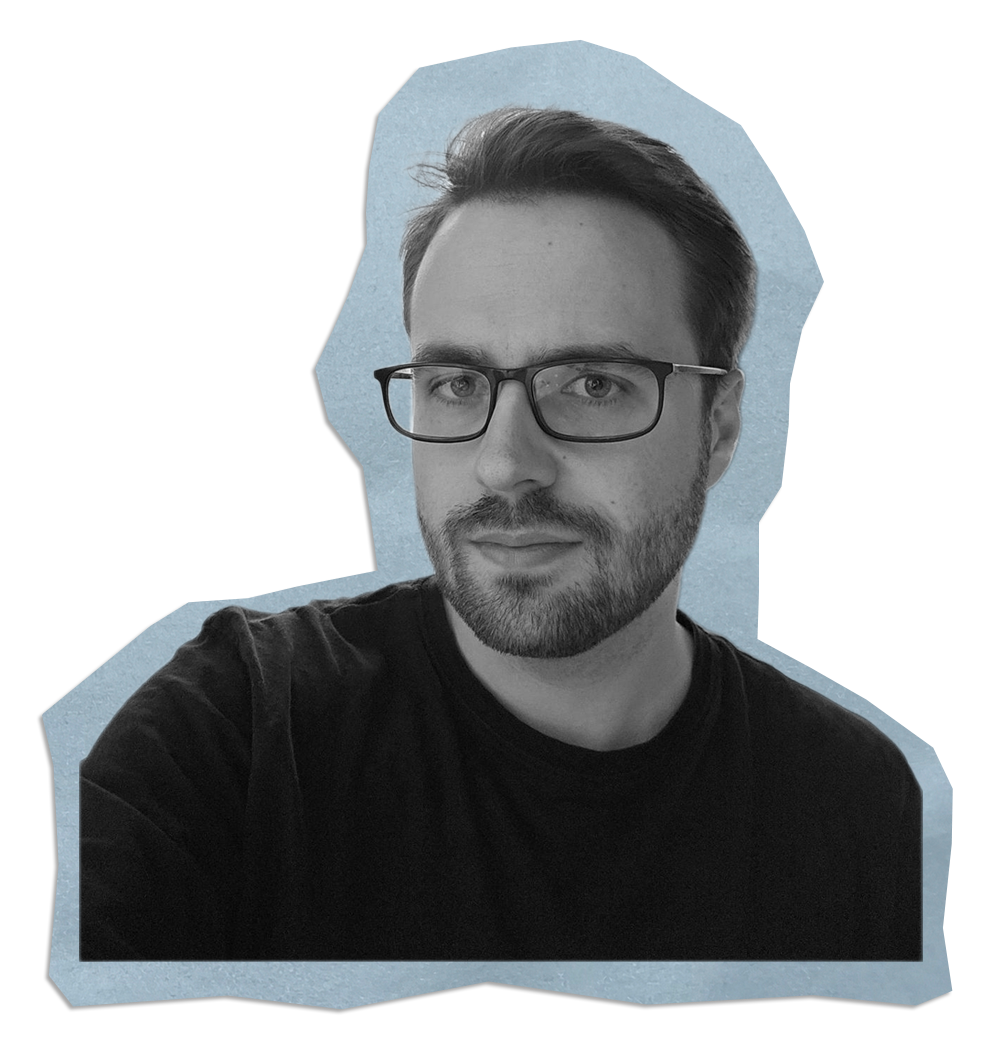
Thomas Schwarz
studies political science and democracy research at Johannes Gutenberg University Mainz. He also serves as state chair of the Liberale Hochschulgruppen Rheinland-Pfalz, local chair of the Liberale Hochschulgruppe Mainz, and is active in Rhenish-Hessian local politics, including on the district board of the FDP Alzey-Worms and on the social committee of the VG Alzey-Land.
-
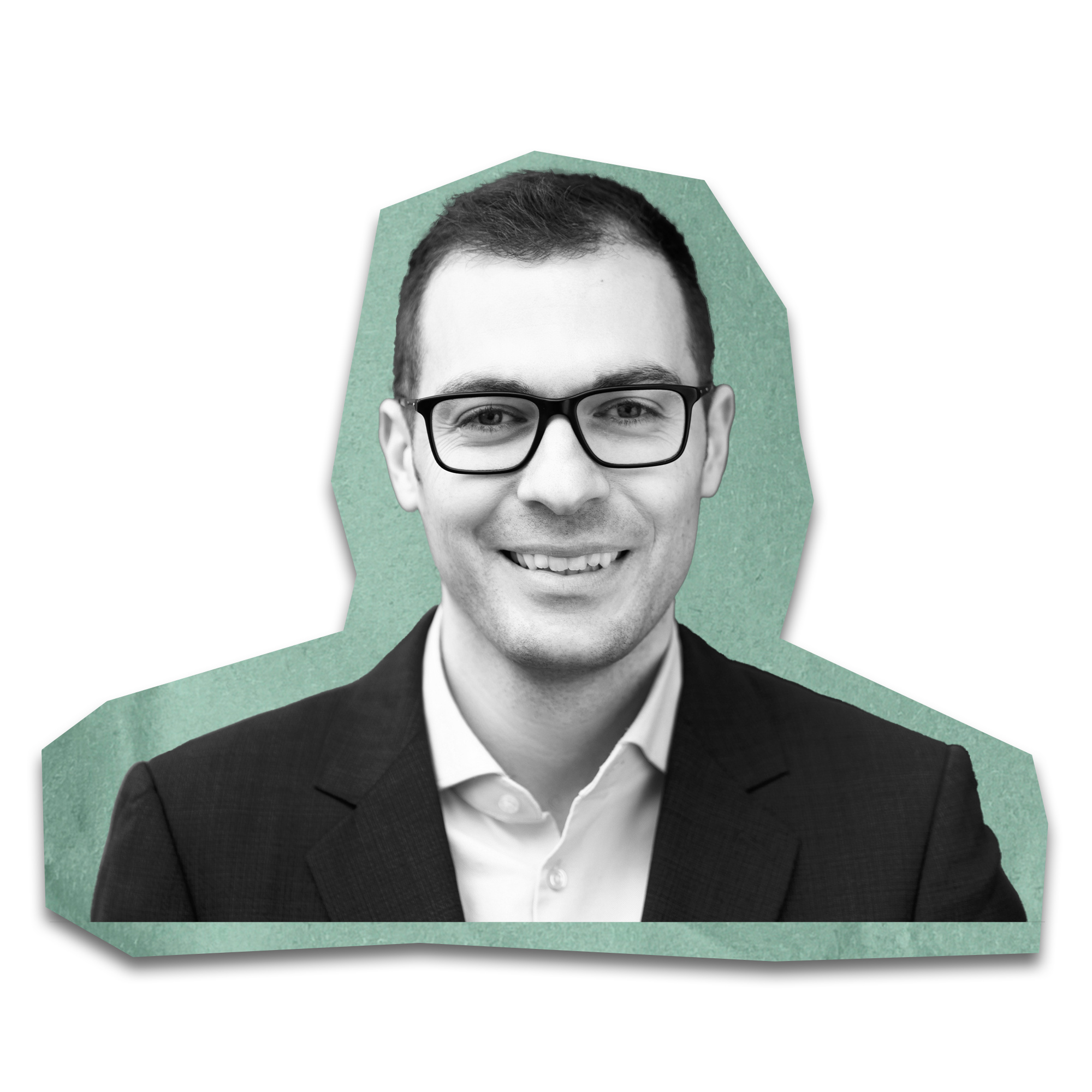
Marius Strubenhoff
is a freelance expert on foreign and security policy. He holds a doctorate in history from the University of Cambridge and a master’s from the London School of Economics and Political Science.
-
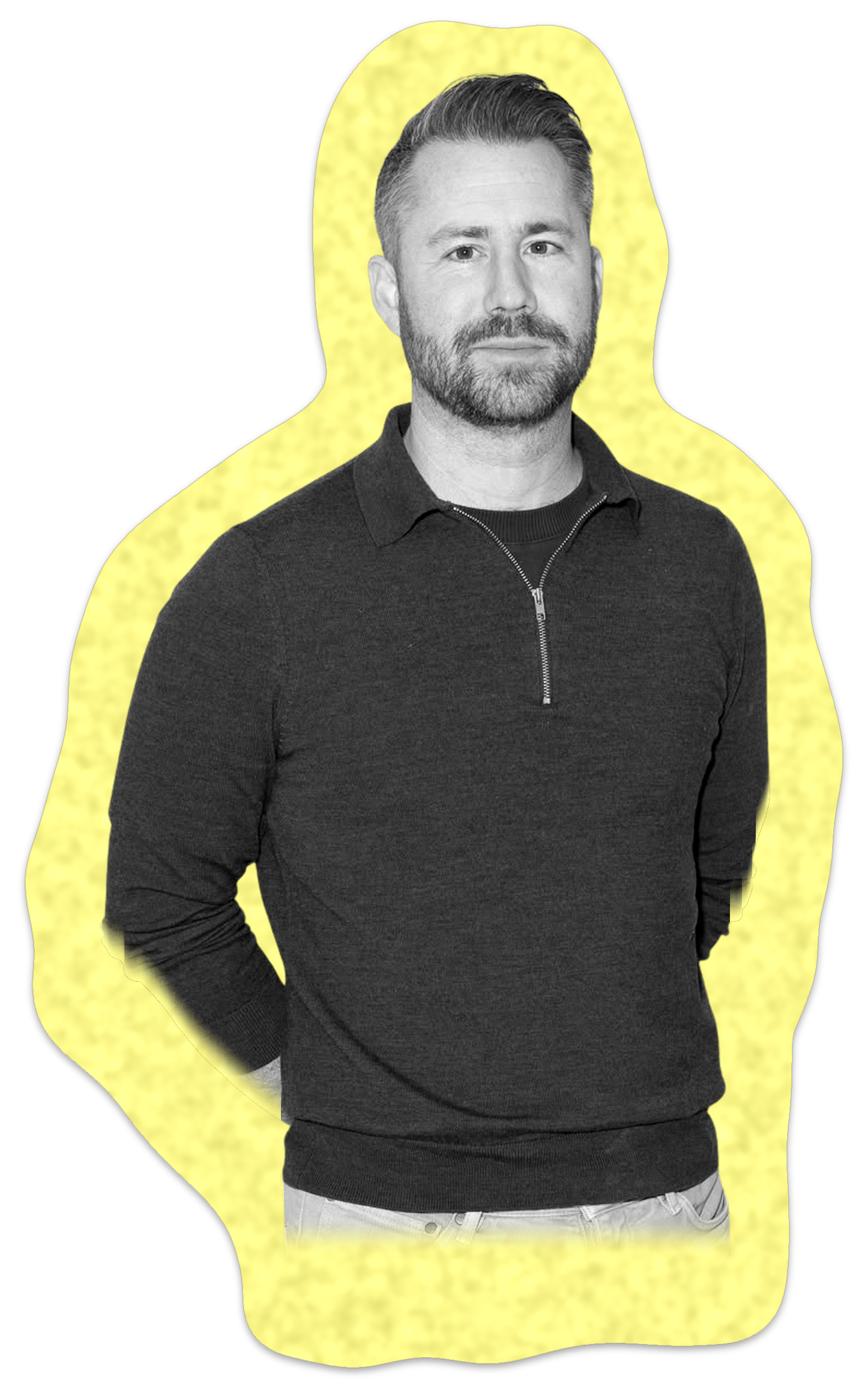
Mark Thiessen
is a historian, author/columnist, entrepreneur and former political campaign strategist.
-
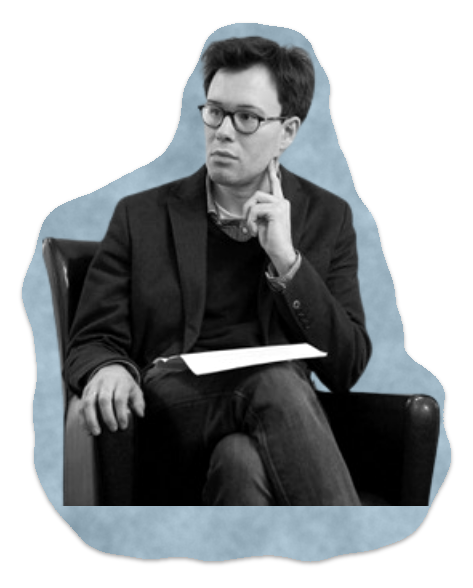
Otmar Tibes
is the founder of the Politik & Ökonomie blog. As a freelance writer, he also publishes for Deutschlandfunk and in other outlets, including JACOBIN.
-
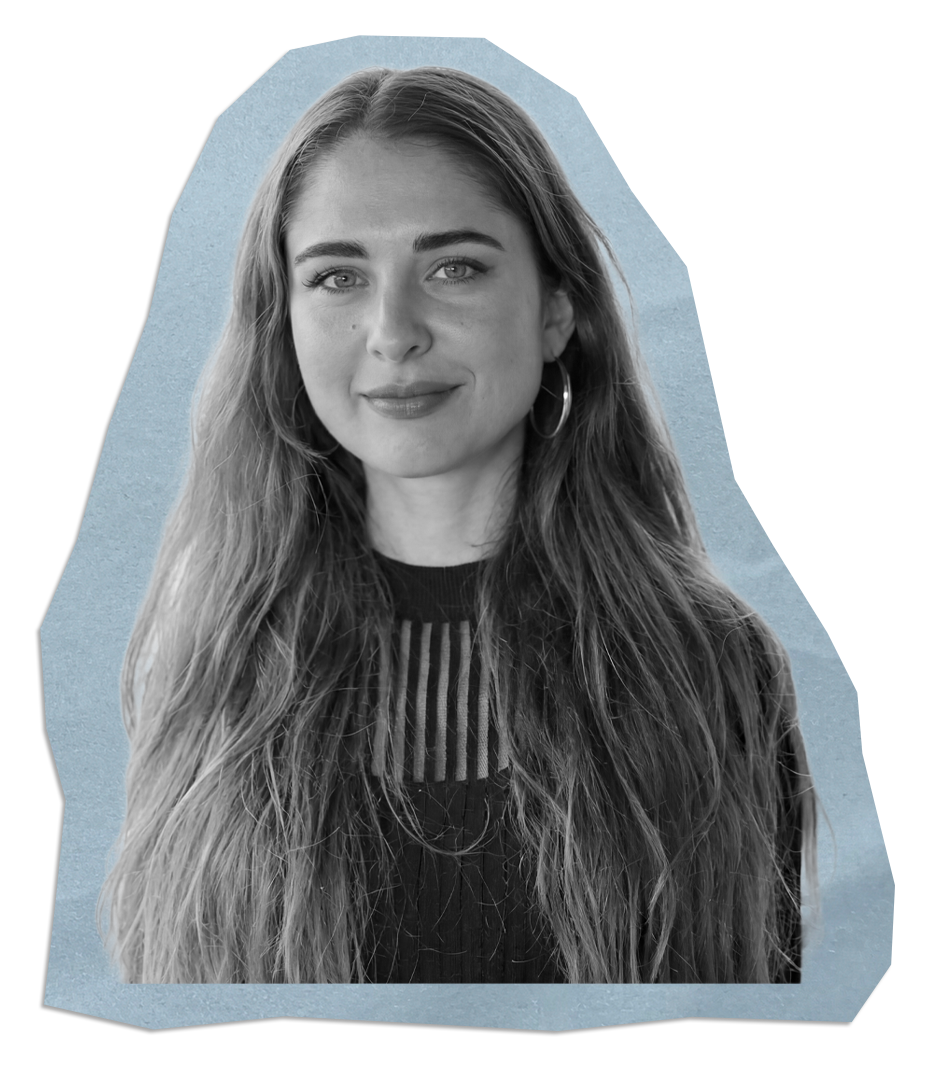
Carlotta Voß
is a postdoctoral fellow at the Forschungsinstitut für Philosophie Hannover and an editor of the online magazine Politik&Ökonomie. Her research turns on questions of democratic theory, philosophical anthropology, virtue ethics, and political theology. Her publications include »Ironie und Urteil. Ironische Historiographie und die Entdeckung des Politischen bei Thukydides« (Vandenhoeck & Ruprecht, 2024) and »The Riddle of the Great-Souled eiron. Virtue, Deception and Democracy in the Nicomachean Ethics«, Elenchos 44/2 (2023).
-
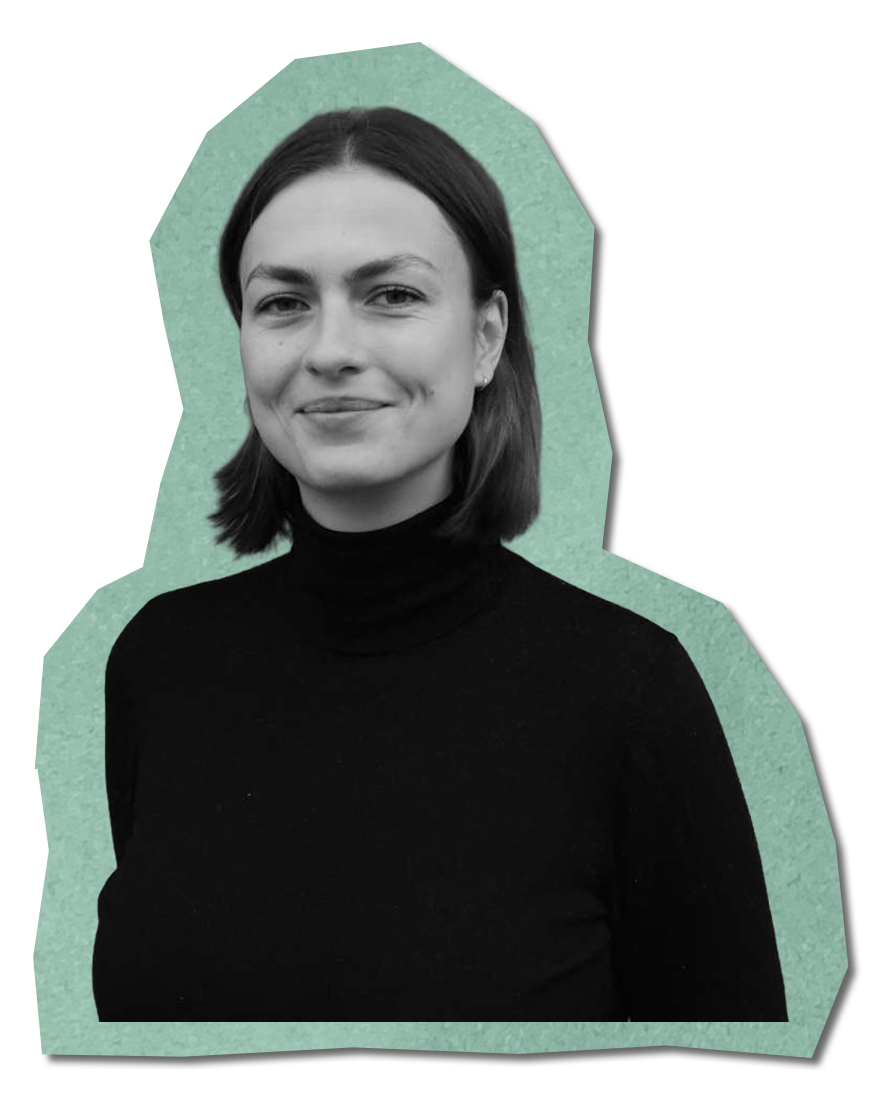
Leonie de Weerth
is a doctoral candidate at the Chair of Political Theory at the Ludwig-Maximilians-Universität in Munich. She also works as a research associate at the Center for Economic Education at the University of Siegen. She studied political science in Passau, Istanbul, and Munich.
-
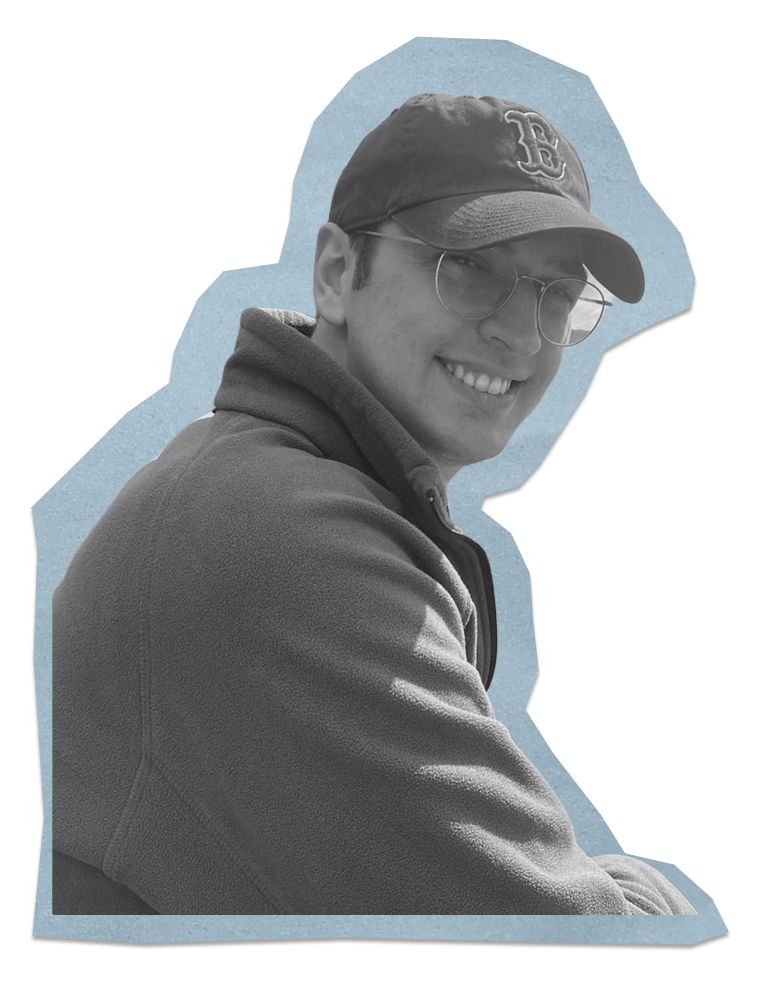
Tobias Wirtz
is Senior Product Manager at Personio. Previously, he co-founded a software startup and gathered experience in venture capital. He studied Management & Technology with a focus on computer science and finance at TU Munich. The views expressed are his own and not those of his employer.